

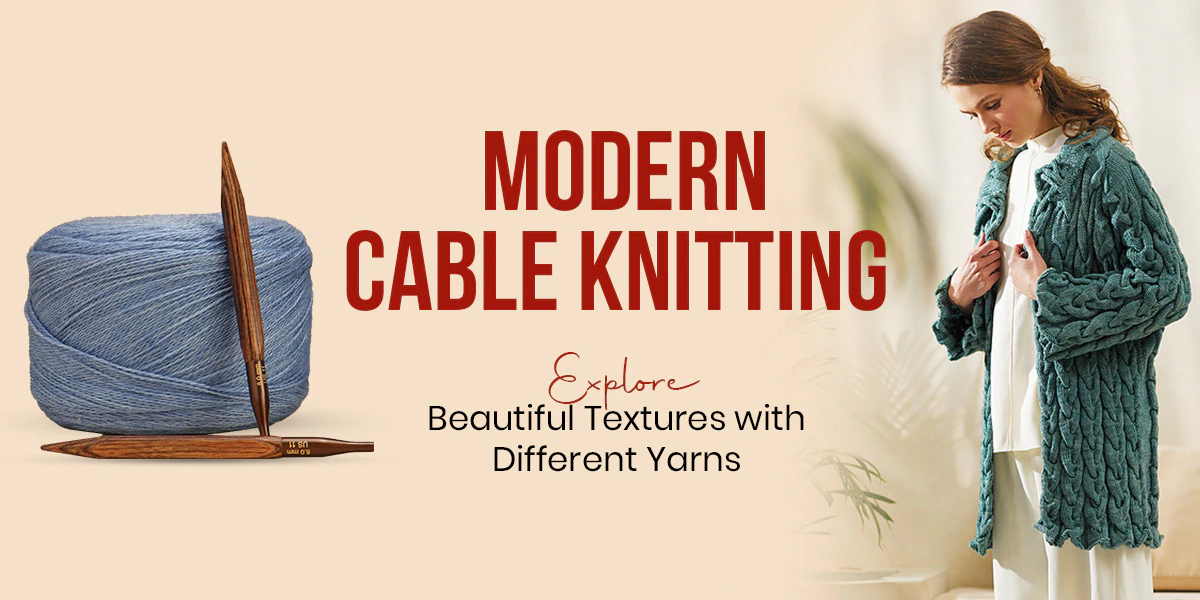
Cable knitting patterns are a classic design, one of the few knitting techniques that make a project look impressive. Traditionally, cables have been a part of knitting patterns that meant classy and skillful. However, modern cables are playful and interesting.
It’s a technique that knitters use in socks, sweaters, accessories, and home décor. as cables. Those twists and crossings can turn a simple design into something wonderfully textured. But here’s a little secret: the modern cable knitting pattern isn’t the only thing responsible for that beautiful definition. The yarn you choose and the knitting needles & cable needles you use can completely change how your cable pattern looks and feels.
Let’s unravel what happens when different yarns meet modern cable knitting.
Modern Cable Knitting Patterns vs. Traditional Cables
Modern cable knitting patterns put a fresh spin on a timeless technique, experimenting with asymmetry, unexpected textures, open spaces, and contemporary silhouettes. It experiments with both knit and purl stitches, which were previously only knit stitches and with all yarn weights. Traditional cables, meanwhile, celebrate classic twists, braids, and Aran-inspired motifs.
Both create beautiful texture; the difference lies in how creatively the cable pattern is arranged and incorporated.
Also Read: How to Knit Cable Stitch Patterns
Does Yarn Type Change How Cable Stitches Look?
Yes. Yarn fiber, construction, weight, and texture all influence cable stitch definition. The knitting needles and the cable needles also need to be a match.
Imagine knitting exactly the same cable pattern with a smooth, firmly spun wool and then with a fluffy mohair blend. The pattern hasn’t changed, but the finished fabric certainly has. The wool is likely to show crisp, well-defined crossings, while the mohair’s halo can soften the edges and create a more subtle effect.
Here’s what to consider when choosing a cable knitting yarn.
1. Fiber Matters
Different fibers behave differently under tension. Wool is popular for cables because it has natural elasticity and good stitch memory, helping cable crossings retain their shape. Merino can give you a soft fabric while still offering a pleasing definition. Cotton, on the other hand, has less elasticity and can create a firmer fabric. Alpaca and mohair blends often bring softness and drape, but their halo may make intricate cables look less sharply defined.
That doesn’t mean one fiber is “right” and another is “wrong.” It simply means you should choose according to the look you want.
2. Yarn Construction Makes a Difference
The way yarn is spun can have a surprising effect on texture. Plied yarns often provide clear stitch definition because their structure helps individual stitches stand out.
Loosely spun or highly textured yarns can produce a softer or more rustic appearance. For detailed cable patterns, a smooth, well-defined yarn can make it easier to appreciate every twist and crossing.
3. Yarn Weight Changes the Impact
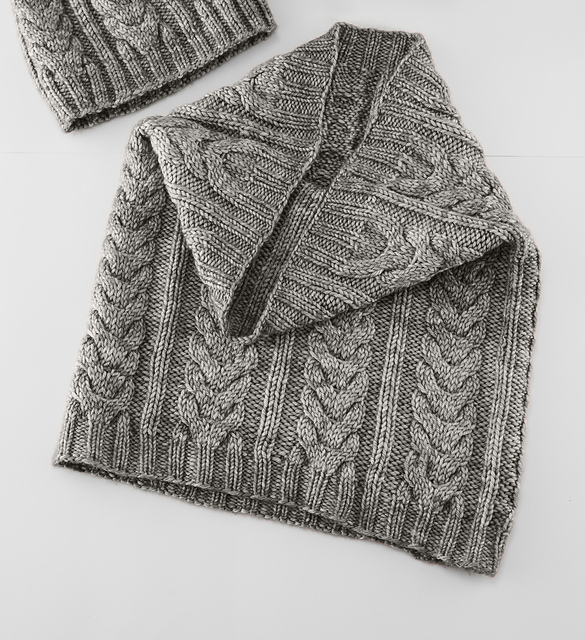
Fine yarns can create delicate cables with intricate detail, while DK, worsted, Aran, and bulky yarns can make cables look increasingly bold and dimensional.
If you’re knitting a chunky cabled sweater, a heavier yarn can make the cable itself the star of the show. With finer yarn, cables can become elegant details rather than the entire headline.
What Yarn Is Best for Cable Knitting?
The best yarn for cable knitting depends on the effect you want.
For crisp, highly defined cables, look for a smooth yarn with good stitch memory and a clear structure. Wool-rich, firmly spun yarns are often excellent choices.
For soft, subtle cables, yarns such as merino-silk and merino-alpaca with a little halo or extra drape can create a beautifully relaxed effect.
And for bold, sculptural cables, try a heavier-weight yarn (DK or worsted) with enough structure to make those crossings stand proud.
The golden rule? Swatch before committing to a large project. Your cable pattern will tell you much more about a yarn than a ball band ever could. Also, for hand-dyed yarns, choose a variegated colorway or a semisolid shade; see how the unique colors come together.
How Does Knitting Needle Size Affect Cable Definition?
Knitting needle size influences both the fabric and the appearance of your cables.
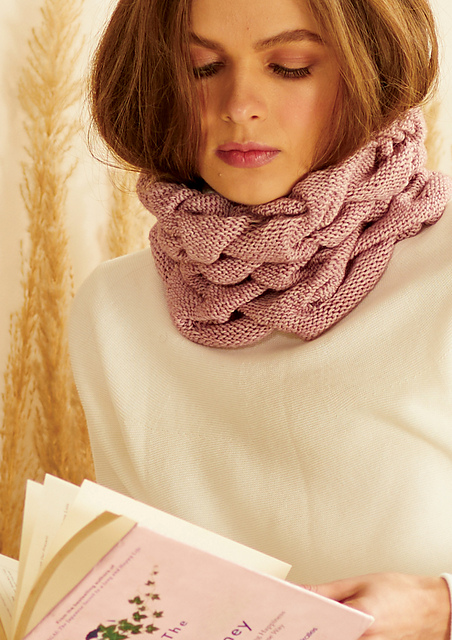
Using a smaller knitting needle size can create a denser fabric and make the cable crossings appear more compact. A larger knitting needle size can produce a looser, more open fabric, giving the cables a softer appearance.
For the most reliable results, knit a cable swatch using your chosen yarn and knitting needle size. Check the definition, fabric density, drape, and overall feel before starting the main project.
The knitting needle material may also be a deciding factor. Stainless steel knitting needles such as KnitPro, vibrant aluminium Zing, or even the innovative carbon fiber such as Karbonz or classic Nova have a smooth surface and precise points. While laminated birchwood in colorful Dreamz or warm Ginger and Bamboo work differently.
Also Read: The Ultimate Guide to Knitting Needles: What to Use and When
Does Cable Needle Size Matter?
Yes, although cable needle size primarily affects handling and stitch control rather than dramatically changing the finished cable.
Your cable needle should comfortably hold the stitches you’re crossing without stretching them excessively. A very small cable needle may make thick yarn awkward to manage, while an oversized one can stretch the stitches and become difficult to manipulate.
Match your cable needle size to your yarn and the number of stitches involved in the cable. The right tool should feel like an assistant, not another stitch you have to wrestle with!
Does Cable Needle Material Make a Difference?
It can, especially while you’re working.
Smooth metal cable needles allow stitches to move easily, which can be useful when working quickly. Wooden or other grippier surfaces can provide additional control when working with slippery yarns.
This is where personal preference matters. Some knitters love the smooth glide of metal, while others prefer a little extra grip. With KnitPro knitting needles and cable needles, you can explore different materials and designs to find the combination that feels most natural in your hands.
Also Read: 5 Practical Cable Knitting Tips
Cable Knitting: Yarn + Needles = The Final Look
Cable knitting is a perfect example of how small choices can make a big visual difference. The same cable pattern can look crisp, soft, rustic, delicate, or dramatically sculptural depending on the yarn and tools you pair with it.
So, when planning your next cabled project, don’t think only about the pattern. Think about yarn too. With the right combination and a little swatching, you can create cables with exactly the texture and definition you imagined.
KnitPro’s wide range of knitting needles and accessories caters to knitters of all skill levels for all kinds of patterns.


