

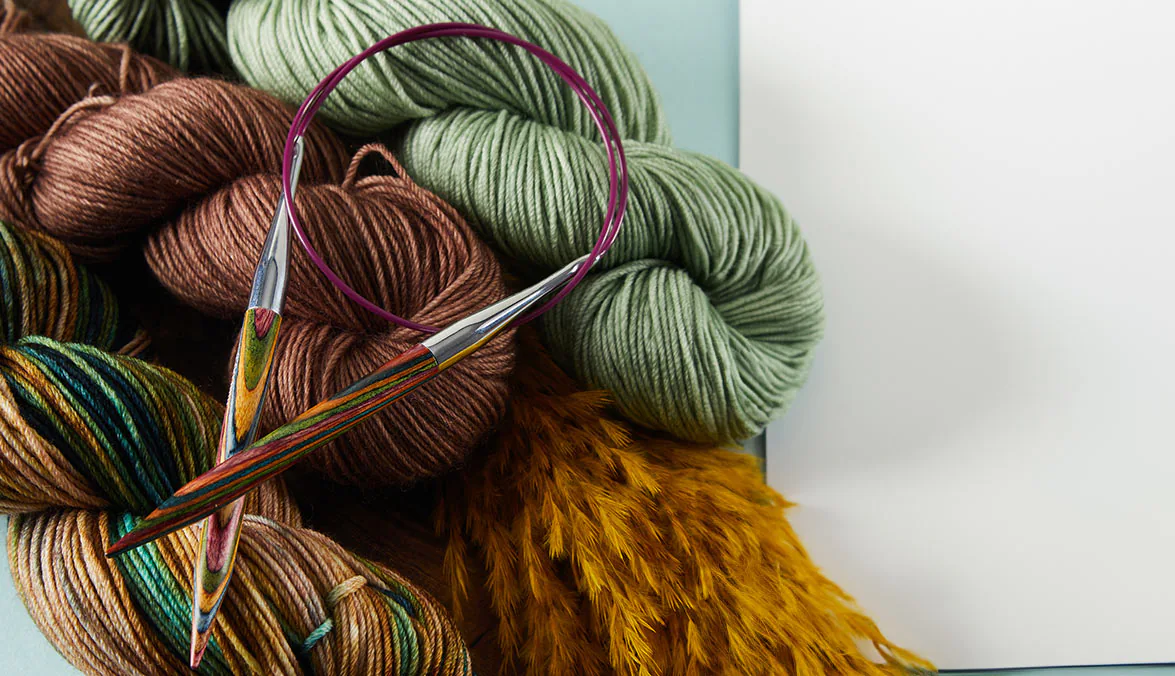
Have you ever grabbed the same size knitting needles for two different projects, only to end up with wildly different stitch sizes or a fabric that just does not match your pattern's gauge? You are not imagining it, and you are definitely not doing anything wrong. The real reason this happens comes down to one thing: the material your knitting needles are made from.
This is one of those lightbulb moments that can save you so much frustration and so much frogging. Once you understand why needle material affects your knitting gauge, you can make smarter choices for every project.
1. Knitting Needle Material Changes Your Knitting Tension
Your gauge, which is the number of stitches and rows per inch or centimeter, is really all about tension: how tightly or loosely you form each stitch. Needle size gives you a starting point, but the material determines how your yarn slides along the needle. That sliding friction quietly affects your hand tension and knitting rhythm, often without you even noticing.
This is why knitters who switch from bamboo knitting needles to metal knitting needles mid-project sometimes find their stitches suddenly look different, even though they have not changed a thing about how they knit.
Also Read: Does the Knitting Needle Material Affect Your Crafting?
Metal knitting needles, whether stainless steel or aluminium, are known for their very low-friction surface. Yarn glides along them easily and quickly, which means stitches tend to form a little more loosely. If you naturally knit with tight tension, metal needles can help you achieve a more relaxed, drapier fabric without forcing yourself to loosen up. Many knitters also find metal needles great for speed knitting, since the yarn moves so freely. Carbon fiber knitting needles behave in a similar way to metal, offering that same smooth, slick feel.
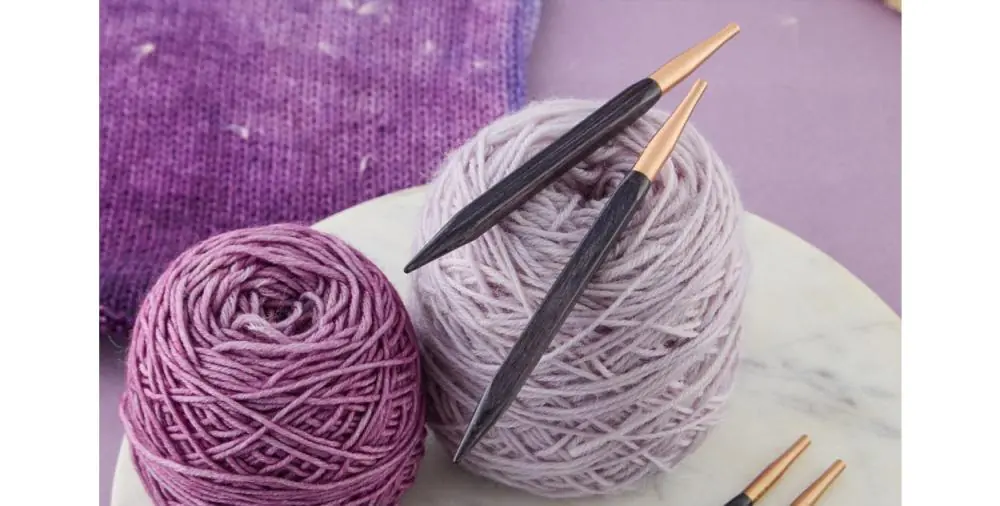
Wooden knitting needles and Bamboo knitting needles have a slightly textured surface that creates a little more friction between the needle and the yarn. The yarn does not zip along as fast, which gives you more control over each stitch. This extra grip often results in tighter stitches and a slightly smaller gauge. If you tend to knit loosely, wooden or bamboo needles can help you tighten up naturally without having to drop down a needle size.
Sock knitters especially notice this difference. Metal needles let stitches open up beautifully with a looser gauge, while wood/bamboo needles help maintain even tension with fewer dropped stitches.
Plastic, acrylic, and resin knitting needles offer moderate slip with a little warmth and grip, making them a solid all-around choice. They can still shift your gauge compared to the extremes of metal or bamboo, so swatching is just as important here.
Real knitters report differences of 0.5 to 2 stitches per 4 inches just from switching needle materials at the same size. That is more than enough to turn a fitted sweater into a boxy one or make your sleeves come out too long.
Also Read: Knitting Needle Sizes & Conversion Guide - US & UK Chart
2. Knitting Needle Material + Yarn Fiber and Weight
If it’s not the knitting needles, it is worth knowing that your yarn choice also affects your results. Take a DK weight extrafine merino wool and a DK weight merino-silk blend, use the same knitting needle size for both, and you will still see different outcomes. Wool has a natural elasticity and bounce, while silk adds drape and a smoother texture. So when you are wondering why your gauge is off, both the yarn and the needle material are worth looking at together.
Also Read: Does a Knitting Needle Tip Affect Stitches? Here's How
Why This Matters When You Are Following a Knitting Pattern
Patterns list a recommended knitting needle size and gauge, but they rarely mention which knitting needle material the designer used. Most designers test on one type, often metal or bamboo, so if your needles are different, your fabric may not match. This is why it is so important to always work on a gauge swatch to keep things consistent.
Also Read: Tips to Correct Your Knitting and Crochet Gauge
KnitPro offers a wide range of knitting needles so you can find what works best for your hands and your yarn. The Karbonz range gives you that super smooth, lightweight feel that is ideal for loose knitters or anyone who wants to pick up speed. Symfonie wooden knitting needles, made from engineered laminated birch, offer a warm grip with a beautiful finish, perfect if you prefer more control and a snugger gauge. Nova metal knitting needles give you a smooth yet balanced feel for consistent tension. The Ginger bamboo knitting needles are excellent for yarns that need a little extra hold to stay in place.
The Bottom Line
You are not an inconsistent knitter. Your needles are simply interacting with your yarn in different ways depending on what they are made from. Next time your gauge feels off, try switching knitting needle materials before you blame your tension. You might be surprised at the difference it makes.


