

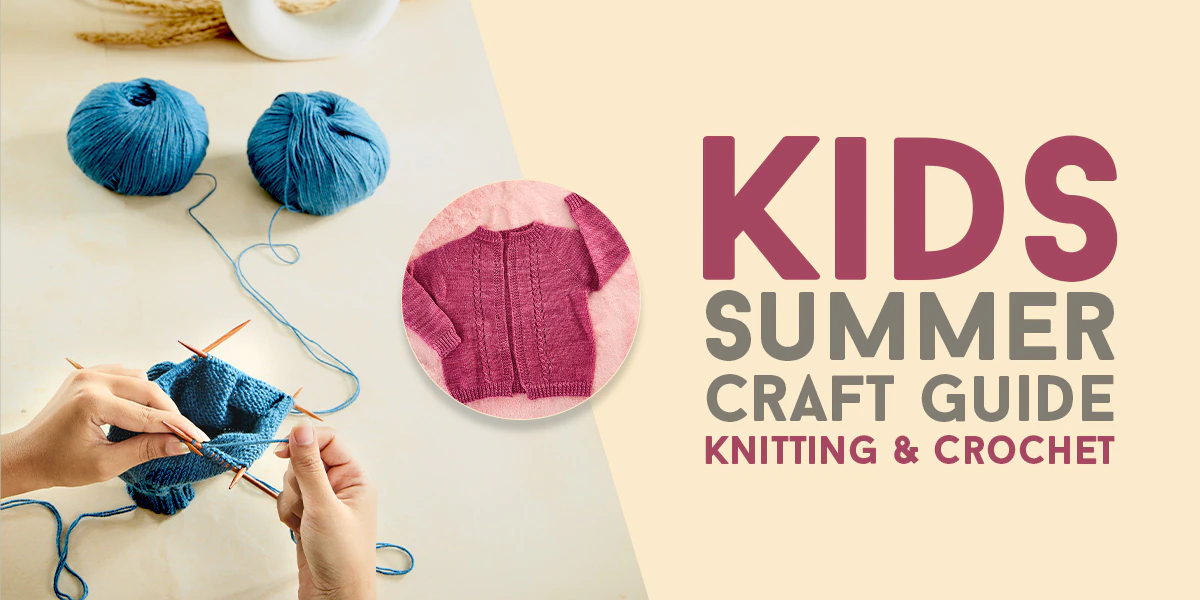
Summer vacation is long. Like, really long. Eight to eleven weeks of "I'm bored" echoing through the house, that is either a parenting challenge or a golden opportunity, and we are firmly in the "golden opportunity" camp.
Here's a fun fact: most children can learn the basics of crochet around age 5, and start tackling real patterns by around age 9. Your child is probably more ready than you think. This guide takes the guesswork out of teaching kids to knit or crochet, breaking everything down into six easy weeks, with a fun, low-pressure detour into punch needle art once the basics click.
Here’s how to plan the crafting summer vacation for kids:
Week 1: The Very First Stitch (Cast On or Chain)
Every great knitting or crochet project starts the exact same way: nothing. Just yarn and a tool, waiting for that first move. For knitters, that move is casting on. For crocheters, it's the foundation chain.
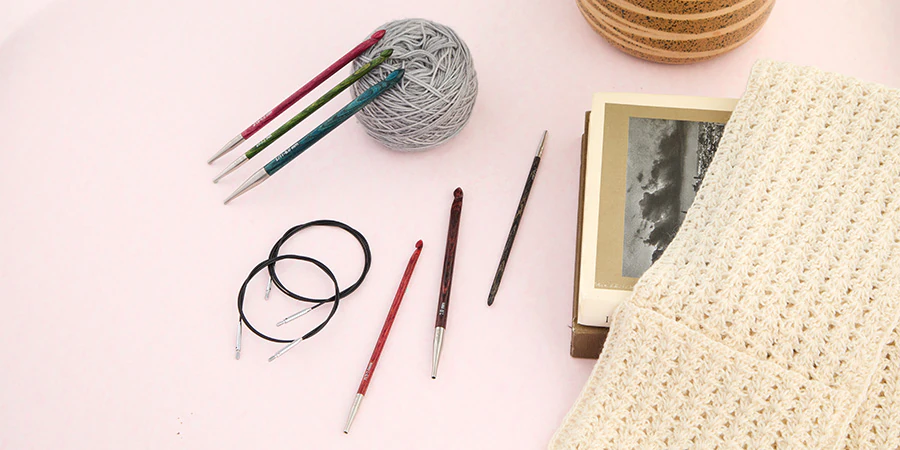
Here's the secret nobody tells beginners: bigger tools are easier tools. Kids work best with medium to large crochet hooks and chunky, worsted-weight yarn, since bigger hooks and chunky yarn are simply easier for small hands to manage. Reach for KnitPro's Trendz or Dreamz Wood crochet hooks or bamboo in a 5mm to 6mm size, smooth, light, and just grippy enough.
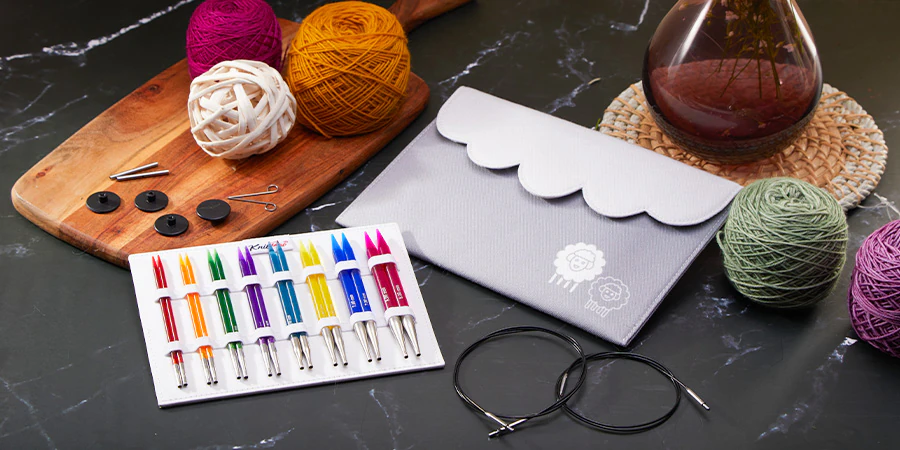
For little knitters, KnitPro's Basix Birch or Dreamz knitting needles in a similar size are wonderfully forgiving. The lightweight wood gives them control without the frustration of knitting needles that feel slippery or too heavy. Dreamz Starter Knitting Needle Set is a good choice. The colors are beautiful in the unique chevron pattern, which is smooth and warm, making it enjoyable to work with.
Will the first few stitches be wonky? Absolutely. That's not a setback; that's just week one doing its job.
Also Read: How Knitting (or Crochet) Helps You Overcome Doom-Scrolling
Week 2: Real Stitches, Real Progress
Once casting on or chaining feels less like a wrestling match, it's time for the good stuff: actual stitches that build actual fabric.
For knitting, start with the knit stitch and only the knit stitch. Many experienced teachers actually recommend skipping ahead to teach the knit stitch before casting on, since casting on suddenly makes a lot more sense once a child understands what they're casting on for. Purling can wait.
For crochet, single crochet and double crochet are your two best friends this week. Understanding and explaining to them about US vs UK terminology is also a foundation skill. If your child keeps losing track of "front loop, back loop, what now," try this little rhyme that's been passed down through generations of crafty grandmas: "Go through the front door, and around the back, peek through the window, and off jump Jack!"
KnitPro's color-coded Zing needles or aluminium crochet hooks are a genuinely helpful trick here too; the bright colors make it easy for kids to visually track their own stitch sizes without constantly asking "wait, which one am I using?"
Week 3: Time to Make Something Real
This is the week everything clicks. Your child has stitches under their belt, and now it's time to turn those stitches into an actual thing.
Keep it small. A dishcloth. A tiny pouch. One granny square. A mini headband. The goal isn't ambition, it's completion, because nothing builds confidence like finishing something. Letting kids choose their own yarn color and project type from the very beginning genuinely helps sustain their excitement through this stage, so let them pick the loudest, brightest color in the basket if that's what gets them excited.
This is exactly where Symfonie Yarns' hand-dyed colorways earn their keep. Bright, joyful color keeps kids motivated even when a stitch or two goes sideways, and trust us, a few will.
Week 4: Let Them Loose
By week four, the training wheels can come off a little. This week is all about experimenting, not instructing.
Let your child try a new stitch pattern. Mix two yarn colors. Attempt something slightly bigger, like a simple scarf or a tiny tote bag. Some instructors have found that giving kids short tutorial videos to explore on their own leads to way more stitch experimentation than expected, often surprising even the adults watching.
This is usually the week you'll notice which craft your child is genuinely drawn to. Some kids love knitting's calm, repetitive rhythm. Others love crochet's faster pace and flexibility. Either answer is the right one.
Also Read: 10 Ideas for Back-to-School Knitting and Crocheting Projects
Week 5: Punch Needle, the Easiest Craft You've Never Tried
Okay, plot twist. Week five introduces something completely new, and it might just become their favorite.
Punch needle is, hands down, one of the easiest fiber crafts for kids to pick up. No counting stitches. No tension to manage. No rows to keep track of. Your child simply pushes a yarn-loaded punch needle through stretched fabric, and loops appear, almost like magic.
Start small and fun: a heart, a cloud, a single initial. Choose a KnitPro pre-stretched punch needle frame, thread the punch needle with something bright and soft, and watch your child's face the first time they realize they're actually making art. Most kids get the hang of the motion within one sitting, and by the ends of the week, there's a good chance you'll have a tiny finished masterpiece.
Week 6: Bring It All Home
The final week isn't about learning something new. It's about letting your child choose their favorite thing from everything they've tried.
Maybe they want to go back and knit a bigger project, like a simple beanie. Maybe they're hooked on crochet and want to make a tiny sweater for the family dog. Maybe the punch needle stole their heart completely and they want to attempt a multicolor design. Whatever they pick, that's the win.
Here's the real goal for week six: turn this into a habit that survives the return to school. Even 15 to 20 minutes of "craft time" a few evenings a week keeps the skills sharp and the joy alive long after summer ends.
Daily Practice Tips That Actually Work
- Short and consistent beats long and occasional, every time. Younger beginners can typically focus on an activity for about 10 to 15 minutes when they're just starting out, so aim for 20 to 30 minutes most days rather than forcing marathon sessions. Save the longer, multi-hour stretches for weekends, when there's time to actually finish something and feel that "I did it!" rush.
- One more tip that makes a bigger difference than you'd expect: give your child their own little kit. Their own crochet hook or knitting needles, a few stitch markers, a small project bag. Ownership turns "mom's hobby" into "my craft," and that shift matters more than any technique.
Also Read: Introducing Children to the Gift of Knitting


