

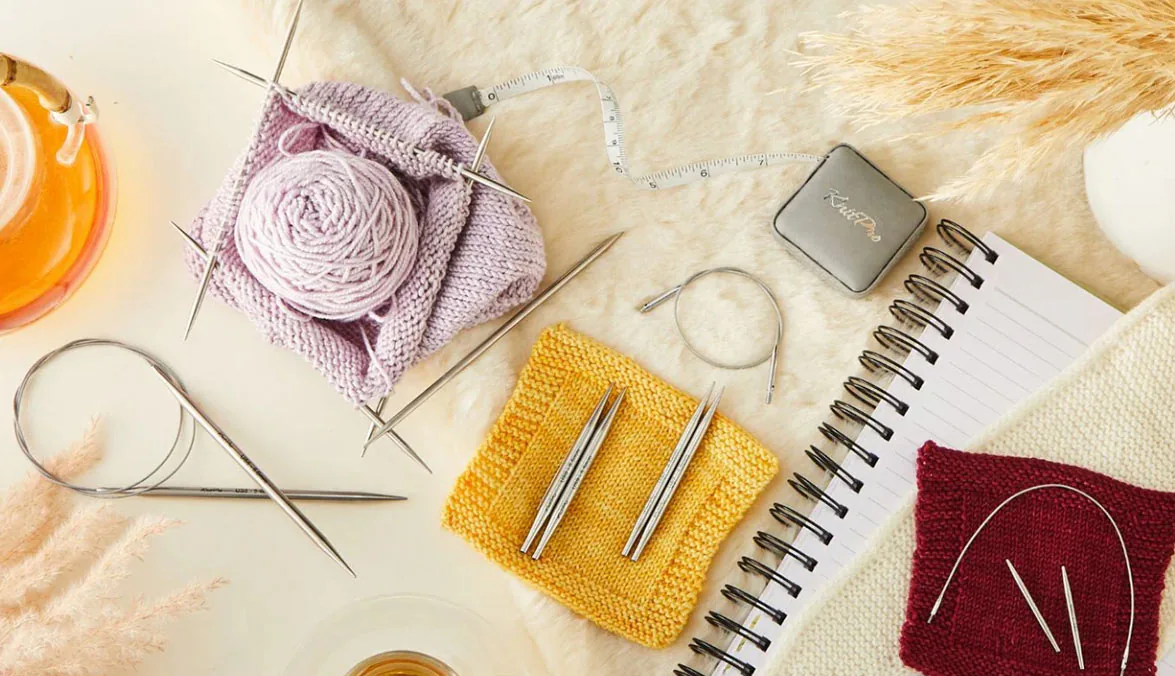
Knitting tools come in many materials, and every knitter eventually develops a preference. From bamboo and laminated birchwood to resin, plastic, carbon fiber, and metal, each type of knitting needle offers unique advantages. However, knitting with stainless steel needles has become increasingly popular among experienced knitters who want speed, precision, and durability in their projects.
If you’re curious about stainless steel knitting needles, how they perform, and when to use them, this guide covers everything you need to know.
Understanding Different Types of Knitting Needle Materials
Just as knitters vary in skill and style, knitting needles are made from a wide range of materials. Common options include wood, bamboo, plastic, resin, carbon fiber, bone, glass, and stainless steel.
Many beginners start their knitting journey using bamboo or wooden knitting needles. These needles provide a slight grip on the yarn, which helps prevent stitches from slipping off. This added friction is reassuring for new knitters who are still learning to manage tension and stitch placement. Wooden needles are also known for being warm to the touch and relatively quiet during knitting, making them a comfortable and calming option for many crafters. As knitters gain confidence and speed, they often begin exploring other materials, especially stainless-steel knitting needles for faster knitting.
Also Read: Does the Knitting Needle Material Affect Your Crafting?
Why Choose Stainless Steel Knitting Needles?
Knitting needles are as unique as the knitter. Every knitter has a unique preference for their choice of knitting tools. Stainless steel knitting needles are generally preferred by those seeking speed, precision.
- One of the biggest advantages of knitting with stainless steel needles is durability. Stainless steel is extremely strong and resistant to bending, warping, or breaking. This ensures that the needle maintains a consistent size and shape throughout your knitting project. From petite sizes in 2mm-3mm (US 0-2), ideal for lace, to regular sizes and even chunky sizes, they stay in shape for all kinds of projects.
- Consistency matters because even slight changes in needle diameter can affect stitch tension. With the durable material, knitters can maintain uniform stitches from the beginning of a project to the final row.
- Another key benefit is the finely honed needle tip. Many high-quality stainless steel knitting needles for lace knitting feature precision tips that make it easier to insert the needle smoothly into tight stitches. This is particularly helpful when working with delicate yarns such as silk, lace-weight wool, or mohair, where yarn splitting can easily occur.
- Speed is another major reason knitters switch to stainless steel needles. The polished metal surface allows yarn to glide effortlessly across the needle shaft. This smooth surface makes stainless steel needles ideal for fast knitting projects, especially when working on large items like blankets, shawls, or sweaters that involve hundreds of stitches per row. Because stitches move quickly along the needle, knitters often find they can complete projects faster without sacrificing stitch quality.
Knitters transitioning from bamboo or wood to stainless steel often notice an immediate difference. Metal needles feel cooler to the touch and allow stitches to glide much faster. This increased speed can take a little time to adjust to, especially for knitters who are used to the controlled grip of wooden needles. However, many knitters quickly grow to appreciate the efficiency and precision that smooth stainless steel knitting needles provide.
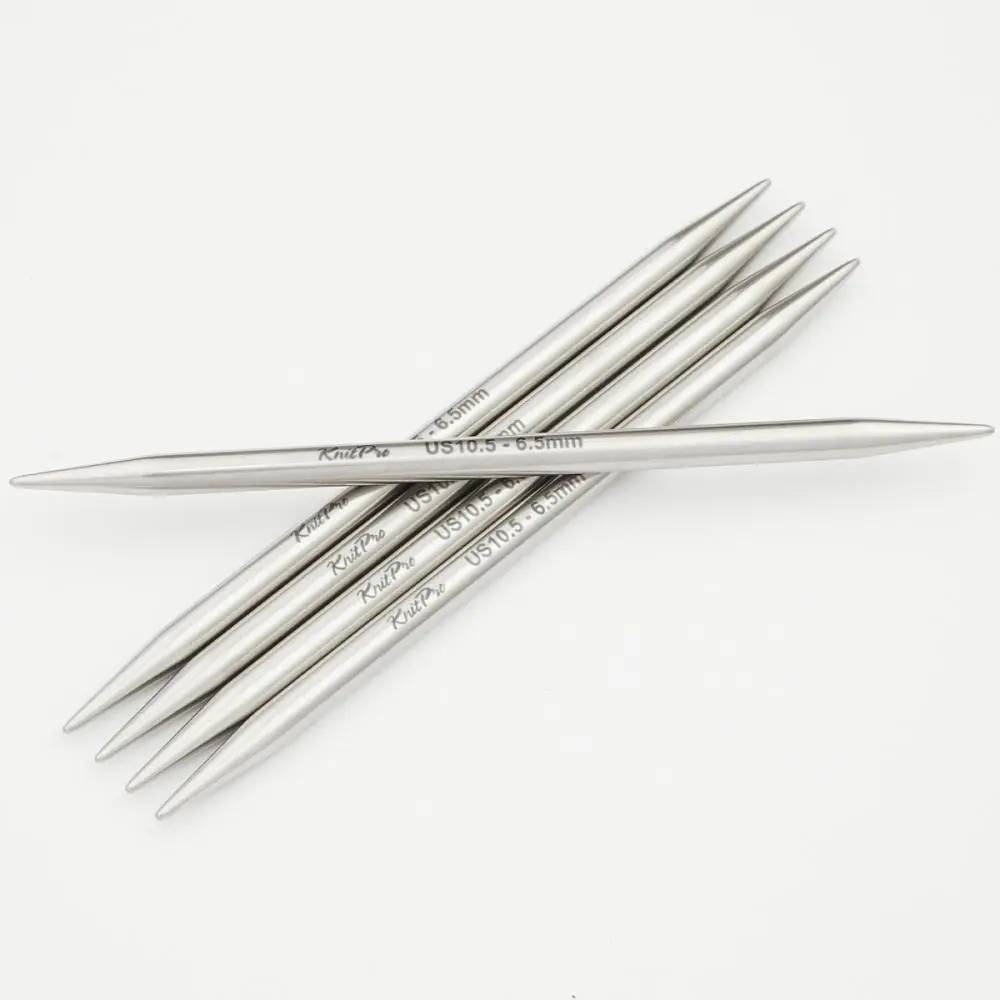
For this reason, many experienced crafters keep wood/bamboo and metals. Having both options available allows knitters to choose the right needle for each project.
Choosing the Right Yarn for Stainless Steel Needles
Understanding yarn characteristics is also important when deciding which needles to use. When working with finer fibers or luxury blends, stainless steel needles often perform better. For example, a DK weight yarn blended with silk pairs perfectly with US size 4–6 stainless steel knitting needles. The smooth metal surface allows delicate yarns to glide easily, reducing friction and helping maintain even stitches.
Projects such as hats, cowls, shawls, and lightweight garments benefit from this combination. When fine wool is blended with silk, the result is a yarn that is soft, lustrous, and comfortable against the skin—making stainless steel needles an excellent choice for precision knitting.
Also Read: Why the Same Size Knitting Needle Can Knit Differently Across Materials
Final Thoughts: Are Stainless Steel Knitting Needles Right for You?
Whether you’re exploring new tools or looking to improve your knitting speed, stainless steel knitting needles for precision knitting offer impressive benefits.
Their durability, smooth surface, and finely crafted tips make them ideal for lace knitting, fine yarns, and large projects that require efficiency. While wooden needles remain a favorite for beginners and slower knitting styles, stainless steel needles bring speed, accuracy, and long-term reliability to the craft. For many knitters, the best approach is simple: keep both types of needles on hand and choose the one that best suits your yarn, project, and knitting style.


