

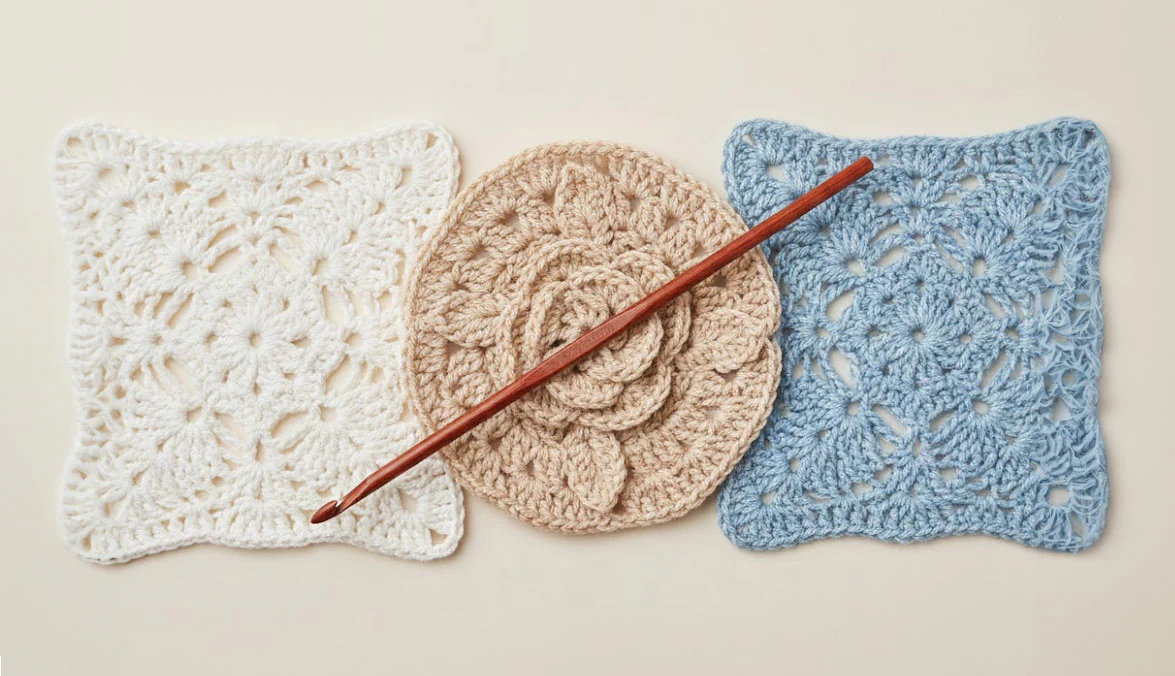
Crochet lace is one of the most elegant and timeless expressions of fiber art. Whether you love airy shawls, heirloom tablecloths, or classic doilies, mastering lace techniques elevates your crochet from simple stitches to delicate artistry. In this guide, we explore three beautiful lace styles you can learn in 2026 and beyond: Filet crochet, Irish crochet lace, and classic crochet lace. We also recommend crochet tools and resources from KnitPro to support your lace journey. All pattern types discussed here can be made more enjoyable and precise with the right tools and practice.
What Is Crochet Lace?
Lace crochet is all about intentional gaps and decorative motifs formed by combining basic crochet stitches such as chains, double crochets, and trebles. Lace patterns often rely on careful stitch counts, clarity in pattern reading, and the right tools to achieve the openwork effect that makes lace so special. Crochet lace traditions span many cultures and centuries, with Filet and Irish crochet among the best-known styles today.
1. Filet Crochet: Simple Grid Lace
Filet crochet uses a mesh grid to create patterns from negative space. The technique alternates chain stitches and double crochet stitches to form a grid. Some sections are filled with double crochets, while others are left open as chain spaces. This results in graphic motif work that resembles old lace but is easier to execute.
Best Uses:
Filet crochet works beautifully for:
- Curtains and window panels
- Tablecloths and runners
- Lightweight lacewear like shawls
- Decorative panels in garments
Why It Works: The grid structure means you repeat simple stitch sequences, making it approachable even for intermediate crocheters exploring lace.
Tool and Yarn Tips:
- Crochet Hook: Fine steel crochet hooks or small single-ended hooks help achieve neat, even loops for mesh work. Explore the KnitPro range of steel hooks and single-ended crochet hooks for best results.
- Yarn: Mercerised cotton thread or smooth DK-weight yarn creates clear grid lines and enhances pattern visibility.
Learn More: Get started with crochet basics before attempting lace with- How to Crochet: A Complete Beginner’s Guide
2. Irish Crochet Lace: Motifs and Mesh
Irish crochet lace has a fascinating heritage. Developed in Ireland in the 19th century as a way for makers to earn income during hard times, it remains admired for its three-dimensional motifs. Classic Irish crochet combines separately crocheted motifs like flowers, leaves, and tiny circles, which are then attached to a finer net mesh background.
What Makes It Special:
- Raised floral motifs
- Fine mesh backgrounds
- Layered textures and dimensional lace panels
Irish crochet requires precise motif shaping and assembly skills, but the results are stunning heirloom pieces that can be framed, worn, or gifted.
Tool and Yarn Tips:
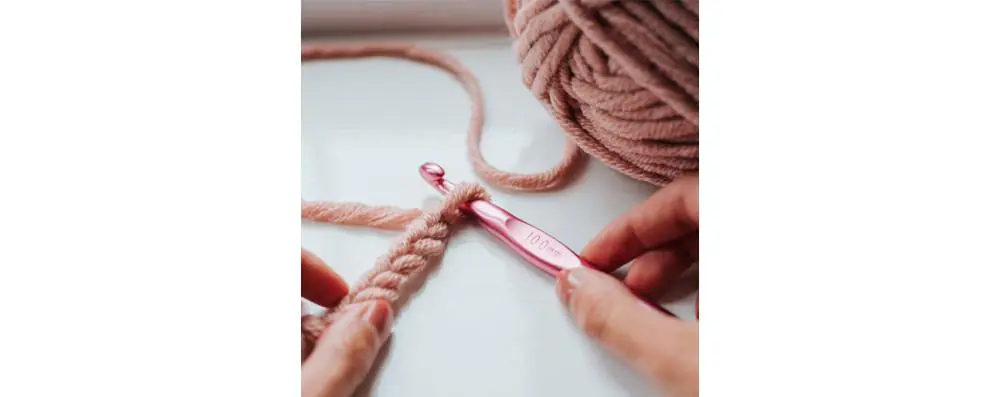
- Crochet Hook: Small, steel or fine single-ended hooks give you control for tiny motifs and intricate shaping. Find them in the KnitPro crochet hooks collection.
- Yarn: Mercerised cotton thread or lightweight lace yarn lets motifs stand out against the mesh.
Skill Building:
If you feel intimidated by lace, explore Tips to Begin Crocheting Lace Patterns with Confidence is an excellent starting point. It covers yarn choices, hook sizes, basic stitches, and blocking techniques for lace crochet.
3. Classic Crochet Lace: Openwork and Motifs
Beyond Filet and Irish styles lies the broader world of classic crochet lace, which includes patterns like pineapple lace, scallops, and spider stitch openwork. These are typically created with combinations of chains, single, double, and treble stitches to form airy, artistic designs.
Classic Lace Projects:
- Lace shawls and wraps
- Doilies and coasters
- Beach shawls and elegant scarves
- Lace trims on garments
Tool and Yarn Tips:
- Crochet Hooks: KnitPro’s Waves 2.0 Crochet Hooks with ergonomic grips make fine lacework more comfortable, especially for long sessions. Oasis and Zing hooks are also great for precision and control.
- Yarn: Lightweight yarns or fine threads are recommended so that lace patterns open up beautifully once blocked.
Lace Techniques to Master
Lace often uses repeating stitch combinations and charted patterns. Knowing how to read charts and count stitches carefully is essential to success. Practice with small swatches before committing to large lace projects.
Tools That Make Lace Easier
Selecting the right tools is vital in lace crochet. Knitters and crocheters often underestimate how much tool choice affects stitch consistency and comfort. KnitPro offers a variety of hooks suited for lacework:
Crochet Hook Highlights:
- Steel Crochet Hooks: Ideal for small thread lace and delicate openwork.
- Single-Ended Crochet Hooks: Traditional choice for most lace patterns.
- Ergonomic Hooks: Like Waves 2.0, provide comfort and reduce hand strain during detailed work.
For more on choosing hooks and sizes, see the blog Crochet Hooks- Which to Choose and When? which explains materials, shapes, and use cases.
Lace Crochet Best Practices
- Start Small: Begin with simple mesh or filet lace before attempting intricate Irish motifs.
- Swatch First: Test hook size and yarn tension to ensure your lace has the right openness.
- Block Your Work: Blocking opens lace patterns and defines motifs beautifully.
- Read Patterns Carefully: Lace charts and repeat sequences must be followed with precision.
Learning lace crochet is a journey. From the geometric grid of filet crochet to the floral magic of Irish lace, each style brings its own charm and technique. With high-quality tools and thoughtful practice, lace crochet becomes a rewarding craft that connects history, textile art, and creativity.


