

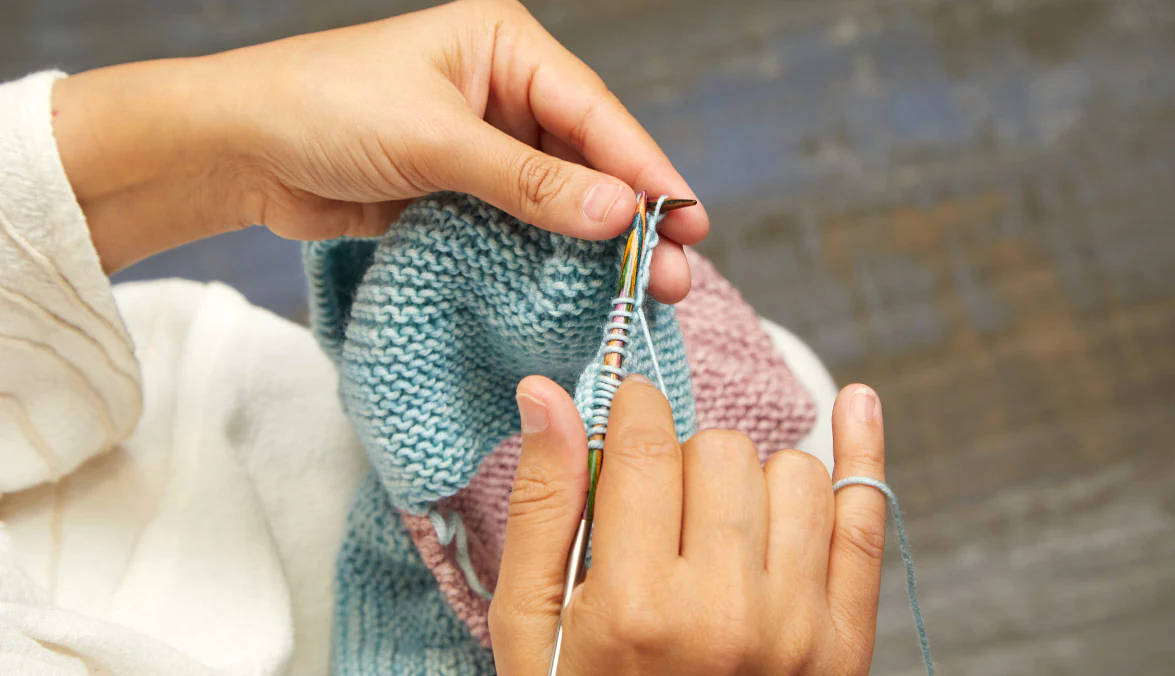
Every knitter has experienced it: wrestling with tension issues or dealing with hand fatigue that cuts your session short. The culprit? Tools, the knitting needles and accessories that don't match your knitting style.
While the knitting community often focuses on finding the right pattern or selecting beautiful yarn, a critical factor many over-looks is choosing tools that complement how you actually knit. Sometimes, knitting needle size, type and material matter the most. In fact, matching your tools to your knitting style is far more important than matching any pattern.
Knitting Needles to Match Unique Knitting Style
Before we dive into tool selection, it's essential to recognize that every knitter develops their own unique style. Some knitters are tight tensioners who create firm, dense fabric, while others knit more loosely, producing drapier results. Some prefer the Continental method with yarn in the left hand, while others swear by English-style knitting with yarn in the right hand. Portuguese, lever, and combination knitters each have their own approaches, too.
Your knitting style isn't just about technique; it's about the physical movements you make, how you hold your knitting needles, your natural tension, and even how long you typically knit in one session. These factors directly impact which tools will serve you best, yet they're often ignored in favor of what's trendy or what worked for someone else.
Also Read: Master Knitting with These 5 Basic Knitting Styles
Knitting Needles to Match Your Comfort
Using tools that don't suit your knitting style creates problems that extend beyond simple inconvenience. Poor tool choices can lead to physical strain, with many knitters developing hand, wrist, or shoulder pain from fighting against their equipment rather than working with it. This discomfort often shortens knitting sessions and can even force knitters to take extended breaks from their craft. Trying out a different material or cubic knitting needles is a good option.
Mismatched tools also affect the quality of your finished projects. When your knitting needles don't accommodate your natural tension. You'll struggle with inconsistent gauge, making it nearly impossible to achieve the results shown in any pattern. You might find yourself constantly adjusting your grip or technique to compensate, which interrupts your flow and makes knitting feel like work rather than relaxation.
Perhaps most importantly, using the wrong tools can kill your enjoyment of knitting altogether when every stitch feels like a battle, and even the most beautiful pattern loses its appeal. Many knitters abandon projects not because the pattern was too difficult or the yarn was wrong, but simply because their tools made the process frustrating.
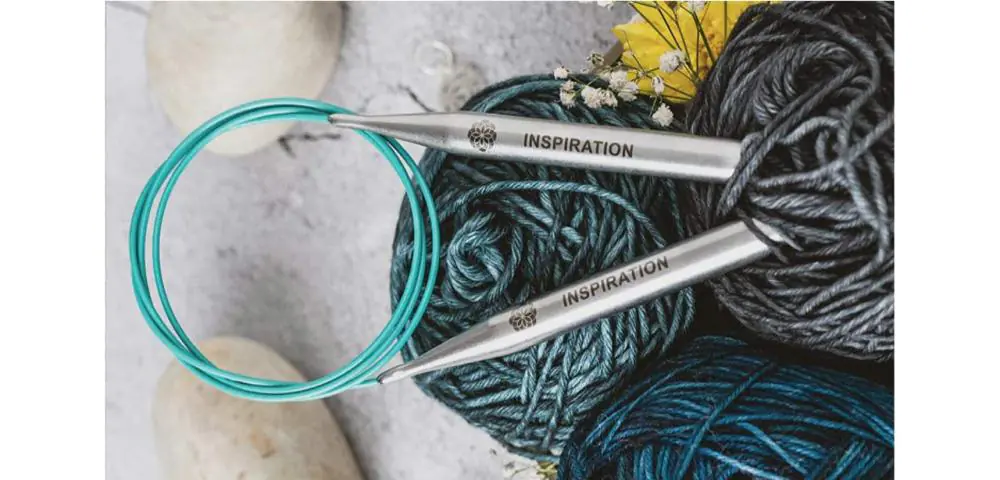
Knitting Needle Material to Match the Yarn
The material of your knitting needles significantly impacts how they interact with your personal style. Wooden or bamboo needles offer grip that slows down stitches; metal on the other hand, provides a slick, fast surface ideal for tight knitters who need their stitches to glide more freely. Acrylic or resin needles fall somewhere in the middle, offering moderate grip and warmth.
Also Read: Does the Knitting Needle Material Affect Your Crafting?
Knitting Needle Type and Your Project Approach
Beyond material, the type of knitting needle you choose should reflect how you approach projects. Circular knitting needles with different cable lengths serve knitters differently, depending on whether you prefer the magic loop technique or traditional circular knitting. Fixed circular needles work wonderfully for knitters who stick to a few favorite sizes and don't mind having multiple needles in rotation.
Interchangeable needle sets appeal to knitters who value versatility and work across many different gauge projects. Straight needles still have devoted followers among knitters who love the traditional feel and find them easier on the wrists for flat knitting.
Double-pointed needles come in various lengths and materials, and your choice should depend on your comfort level with multiple needles and the circumference of items you typically knit.
Accessories That Match Your Workflow
The same principle extends to knitting accessories. Stitch markers are available in various sizes and it’s essential to match them to your projects. There are options of ring, split and locking stitch markers in different sizes.
Similarly, wool needle/finishing needles in the right size have an effect on knitting projects. Blocking tools, though, do not impact projects while you are knitting; they are tools that polish your knits, so choose them right.
Making the Investment That Matters
Here's the truth that experienced knitters know: investing in tools matched to your style will improve every single project you make, regardless of the pattern. A beautiful pattern knit with mismatched tools will frustrate you, while even a simple stockinette project becomes meditative and enjoyable when your tools work with your natural style.
Take time to honestly assess how you knit. Visit your local yarn shop (but you browse online to make informed choices) and actually handle different needle materials and types. Pay attention to what feels comfortable in your hands, what allows your stitches to flow naturally, and what supports rather than fights your natural tension.
Your knitting needles & accessories should be an extension of your hands, not an obstacle to overcome. When tools match your style, knitting transforms from a technical exercise into a relaxing, creative practice. With KnitPro, explore the collection of knitting needles in different materials, types and sizes to find what works best for you!


