

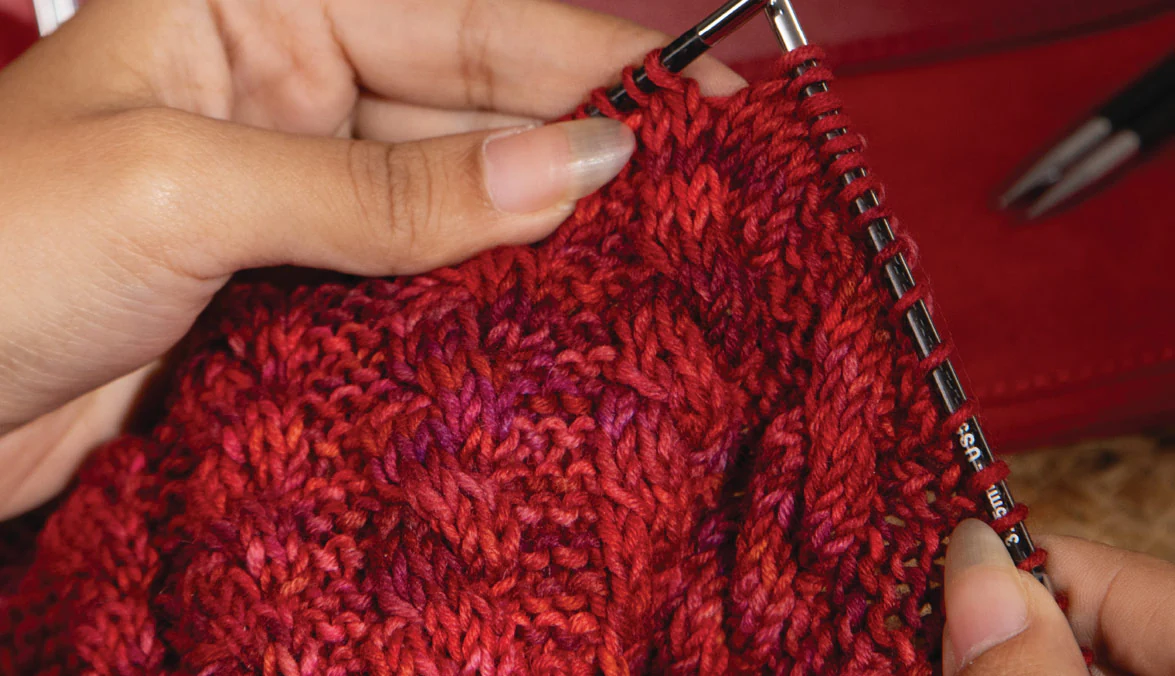
If you have ever felt frustrated while knitting and thought, “I should be better at this by now,” pause for a moment. Many persistent knitting issues have little to do with technique and everything to do with your tools.
At KnitPro, knitters across skill levels tell us the same thing. When the wrong knitting needle material or design is paired with the wrong yarn or project, even experienced hands struggle. This guide explains the most common tool-related knitting problems and how adjusting your tools can improve your knitting experience.
1. Uneven Stitches Despite Even Tension
If your stitches look uneven even though your technique feels steady, the knitting needle material is often the missing piece. It may be the wrong type, size or most importantly, the material.
Aluminium needles, such as the vibrant Zing collection from KnitPro, offer a smooth glide. The Minful Collection brings precise, pointy tips along with sleek surfaces. This can be ideal for fast knitters or slippery yarns. However, if your hands knit with a tighter rhythm, metal needles can make stitches stretch unevenly because they slide too quickly.
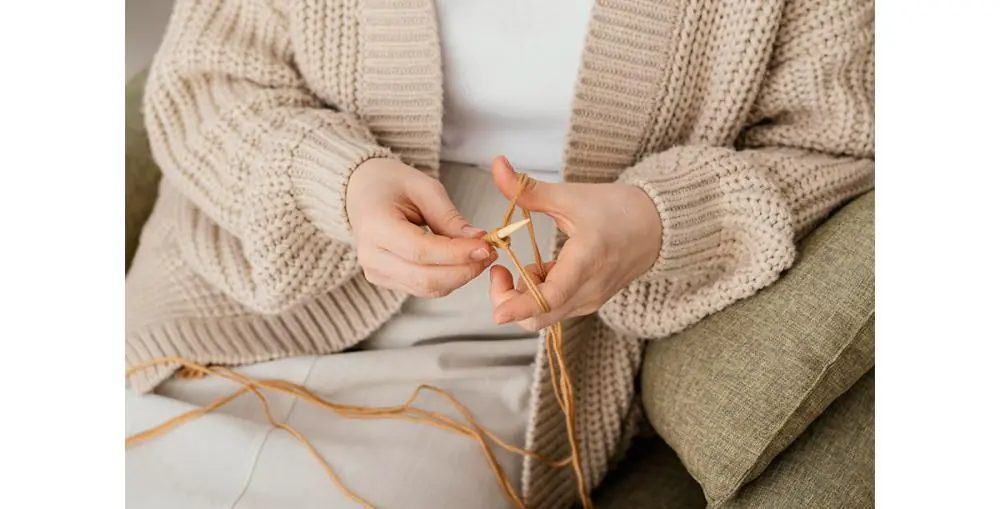
By contrast, warm wooden needles provide a gentle grip and tension regulation. Bamboo, too, is a good choice, beginner-friendly, lightweight and smooth. For wood, KnitPro offers lightweight laminated birchwood in Symfonie’s colorful palette, warm Ginger and the color-coded Dreamz. Symfonie is adored by knitters for this quality, offering smooth transitions with just enough resistance to tame uneven stitches.
2. Hand Fatigue and Wrist Pain
Pain is often blamed on posture, but tool weight and balance can be the hidden cause.
- Heavy metal needles can tire hands quickly
- Rigid cables make stitches harder to move
- Poor balance between needle and cable weight disrupts rhythm
For long sessions, lightweight yet strong tools like those in the Karbonz range or the stainless-steel Mindful Collection can reduce fatigue by balancing strength with comfort.
Another choice is to work with square knitting needles, AKA cubics. For the warmth of wood, explore the J’adore cubics. Their range is available in all options of single-pointed, double-pointed, fixed and interchangeable circular knitting needles and sets. For metal lovers, the Nova Cubics brings options in all knitting needles in standard sizes and lengths.
Also read: Ergonomic Knitting Needles: Why they can save your knitting
3. Yarn Splitting That Hurts the Rhythm
Splitting can feel like a technique issue, but it is often the needle tip shape and material.
- Very sharp metal tips may pierce the yarn
- Rounded blunt wooden or bamboo tips slide between strands
- Softly spun yarn benefits from a gentler tip
Also Read: Does the Knitting Needle Material Affect Your Crafting?
4. Tight Stitches at the Join
When you see tension tighten at the point where the needle meets the cable, it usually points to construction issues.
Smooth, consistent joins allow stitches to glide without snagging. High-quality cables and needle joins prevent abrupt tension changes. Many knitters find that circular interchangeable knitting needles and sets help maintain tension because the joins are engineered for consistent stitch flow. Fixed circular needles also score points as they have been designed with the cable and the join has undergone testing.
5. Cables That Coil and Interrupt Flow
Cable memory happens when cables stay coiled or twisted during knitting. This creates frustration and disrupts tension. Choosing the right cable length from the collection is a good trick to solve the most common issue.
Flexible, memory-free cables let your work hang naturally and improve flow. This is especially helpful for Magic loop knitting technique, large projects such as blankets and projects that require frequent adjustments
Look for cables engineered for flatness and flexibility when choosing fixed circular or interchangeable knitting needle sets. Another simple and overlooked solution is to care for your knitting cables. Before beginning a project, give them a lukewarm water bath to uncoil and relax. After every use, wipe them to clean residue from yarn (color, grime or natural oils).
Also read: Tips to Choose the Correct Cable Length for Knitting Projects
6. Wrong Fabric Feel Despite Correct Gauge
Sometimes the math is correct, but the fabric still feels off. This is where material and yarn interaction matters.
- Metal needles compress stitches, often yielding a firm or dense fabric
- Wood and bamboo add warmth and slight elasticity
- Carbon fiber combines grip and glide for balanced stitch definition
For example, metal-tip sets like the Nova interchangeable needle sets deliver smooth, fluid stitch movement ideal for highlighted detail work.
7. Emotional Burnout from the Wrong Tools
Perhaps the most overlooked issue is emotional fatigue. When tools work against you, knitting stops feeling restorative. One long-time maker shared, “I thought I was losing interest. I just needed needles that worked with me.” This can be corrected with a small break from knitting.
Now that we’ve listed all the possible common tool-related problems along with the solutions, it is time to re-evaluate. With KnitPro, you get to explore options ranging from beginners to advanced makers. The extensive collection of knitting needles in materials such as bamboo, wood, aluminum, stainless steel, carbon fiber, acrylic and more caters to knitters and their diverse needs. Besides knitting tools, explore accessories that assist with your crafting journey.


