

When you step into knitting, you come across the stockinette stitch as a basic stitch in knitting, of ten times the foundation of sweaters, socks, and pretty much anything knit. Now, there’s the double stockinette that’s not basic yet simple to make and has beautiful results. The reversible knitting stitch does not curl and offers extra warmth and structure. This stitch is popular for scarves, blankets, hems, and projects where both sides remain visible. Let’s walk you through the stitch technique along with steps, where to use, and differences between regular stockinette, reverse stockinette, and the very similar double knitting technique.
What Is the Double Stockinette Stitch?
Double stockinette stitch is a double-layer knitting fabric that produces a classic stockinette texture on both sides of the work. Instead of having a right side and a wrong side, both sides show smooth knit stitches. This fabric is created by working two layers at the same time using a combination of knit stitches, purl stitches, and slipped stitches. The layers interlock as you knit, creating a thicker and more stable fabric compared to regular stockinette stitch.
Because it is double-layered, this stitch resists curling and holds its shape well, making it ideal for functional and decorative knitting projects.
Skill Level Required
Double stockinette stitch is best suited for intermediate knitters or confident beginners who are comfortable with knit and purl stitches.
While the stitch uses basic techniques, it requires attention to stitch placement and tension. Slipping stitches correctly and maintaining even tension are important for achieving a neat, balanced fabric.
Step-by-Step Guide to Knitting Double Stockinette Stitch
Cast On
Cast on an even number of stitches. Use any method you are comfortable with; a long-tail cast-on is a good setup. Use a knitting needle size bigger than the recommended yarn weight.
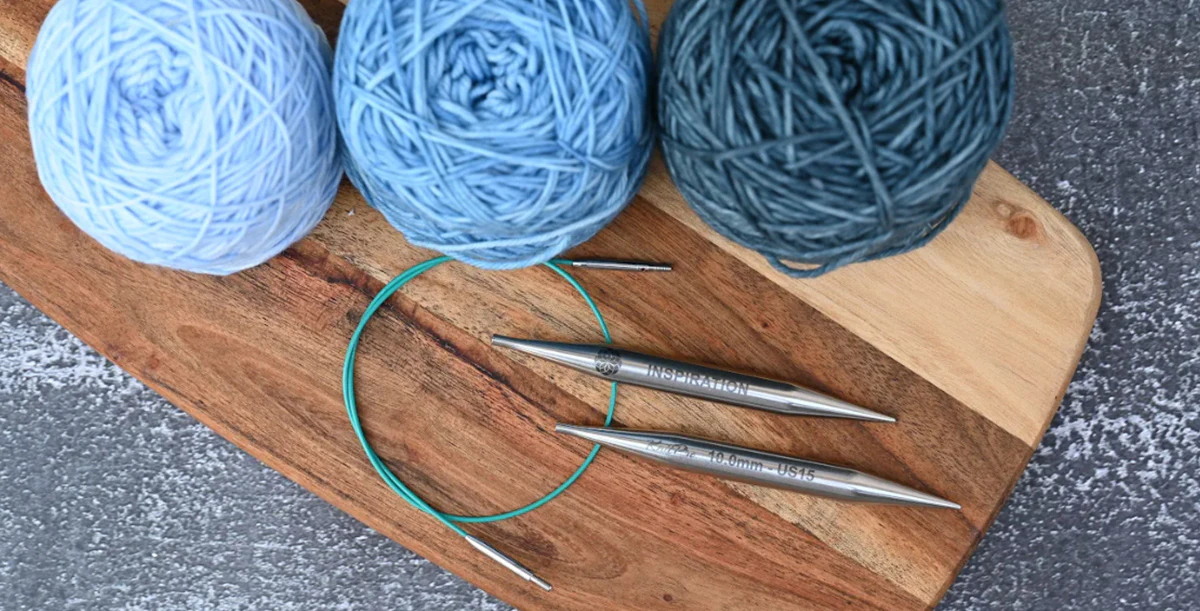
A DK yarn or worsted yarn from the stash paired with a knitting needle in size US 5 - US 7, slightly larger than the recommended size.
Setup Row
Knit 1, slip 1 purl wise with yarn in front. Repeat across the row.
This establishes the separation between the front and back layers.
Row 1
Knit the knit stitches. Slip the slipped stitches purl wise with yarn in front. Dive into the details of slip stitches in knitting to know more.
Row 2
Purl the purl stitches. Slip the slipped stitches purlwise with yarn in back.
Repeat
Continue repeating Rows 1 and 2 until the project reaches the desired length.
Always slip stitches purlwise to prevent twisting.
Is Double Stockinette Stitch Reversible
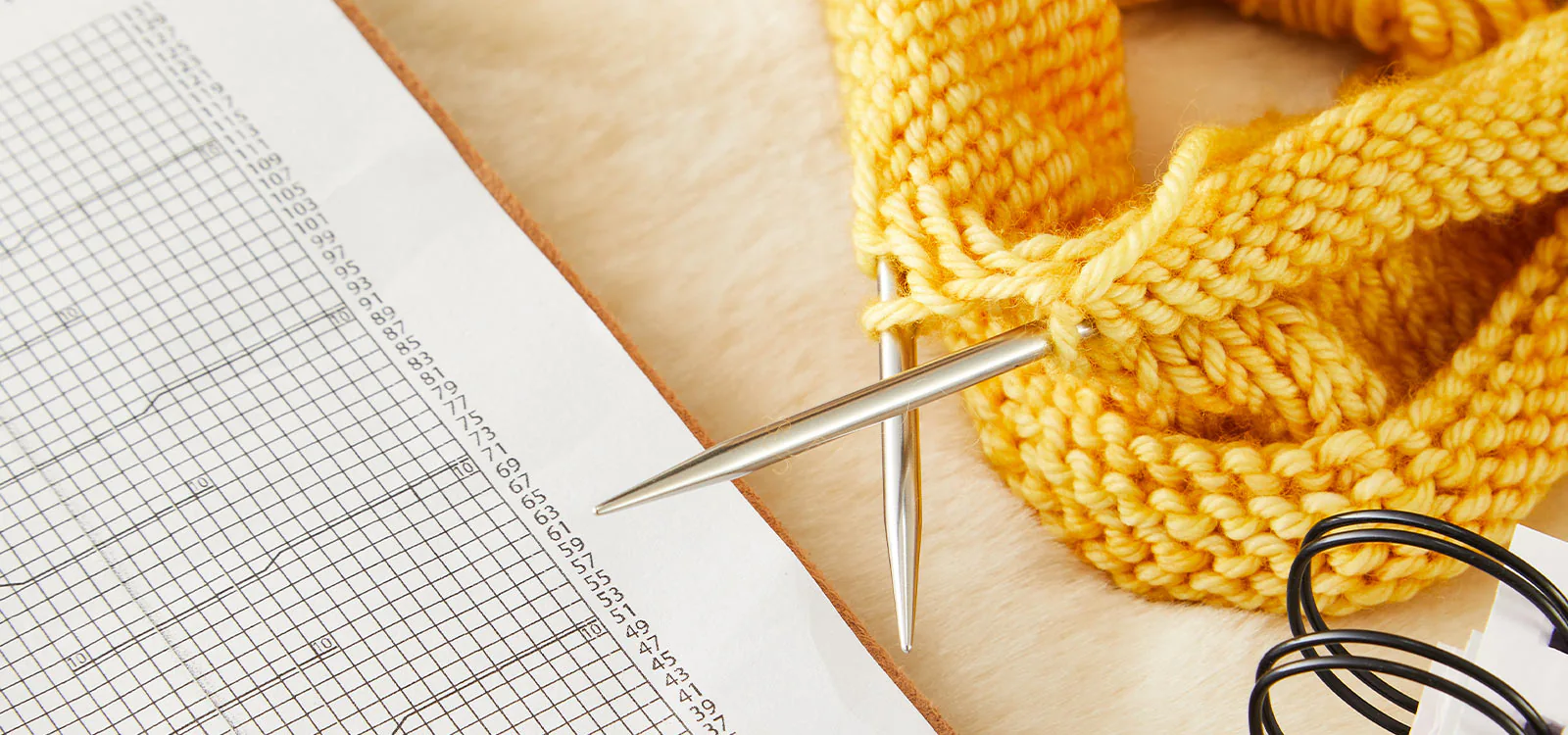
Yes, double stockinette stitch is fully reversible. Both sides look identical, with clean knit stitches facing outward. There is no visible wrong side.
This makes double stockinette one of the best reversible knitting stitches for scarves, cowls, blankets, and borders, where both sides will be seen.
How the Double Stockinette Stitch Is Made
The stitch works by alternating stitches that belong to the front layer and the back layer of the fabric. On one row, you knit the front stitches and slip the back stitches. On the next row, you purl the back stitches and slip the front stitches.
This method allows you to build two layers simultaneously while keeping them connected along the edges.
Best Uses for Double Stockinette Stitch
Because it creates a thick, reversible, and non-curling fabric, double stockinette stitch is ideal for many knitting projects.
Scarves and Cowls - Perfect for reversible scarves that look polished from every angle.
Blankets and Afghans - Creates a warm, weighty fabric with a clean finish on both sides.
Sweater Hems and Button Bands - Provides structure and prevents curling in garments.
Bags and Pouches - The double layer adds durability and eliminates the need for lining.
Borders and Edgings - Excellent for finishing blankets, shawls, and cardigans.
Difference Between Stockinette, Reverse Stockinette, and Double Stockinette
Stockinette stitch features knit stitches on the front and purl stitches on the back. It is not reversible and curls at the edges. It is commonly used in sweaters and garments with borders.
Reverse stockinette stitch shows purl bumps on the front and knit stitches on the back. It is also not reversible and curls similarly to stockinette stitch. It is often used as a texture contrast.
Double stockinette stitch produces knit stitches on both sides. It is fully reversible, does not curl, and creates a thicker fabric. It is ideal for accessories and projects requiring structure and symmetry.
Double Stockinette Stitch vs Double Knitting
Double stockinette stitch is often confused with double knitting, but they are not the same. Beginner knitters often get confused between the two.
Double stockinette usually uses one color and focuses on fabric construction and reversibility. Both sides look identical.
Double knitting is a colorwork technique that often uses two colors and creates mirror-image designs. Each side displays opposite colors.
Double stockinette is best thought of as a fabric technique, while double knitting is a decorative colorwork method.
Also read: Garter Vs Stockinette: The Ultimate Beginner-Friendly Stitch Pattern
Tips for Knitting Double Stockinette Successfully
- Use slightly larger knitting needles to prevent stiffness in the fabric
- Keep tension even to avoid puckering
- Always slip stitches purlwise
- Check fabric thickness as you knit
- Light blocking can help even out stitches
The double stockinette stitch is an excellent choice for knitters who want a clean, reversible fabric with added structure and warmth. While it uses more yarn and requires more focus than standard stockinette, the results are worth the effort.
The right tools support the crafting journey. Explore knitting needles and sets in materials such as bamboo, wood, aluminum, stainless steel, carbon fiber and more in standard sizes to work on your project.


