

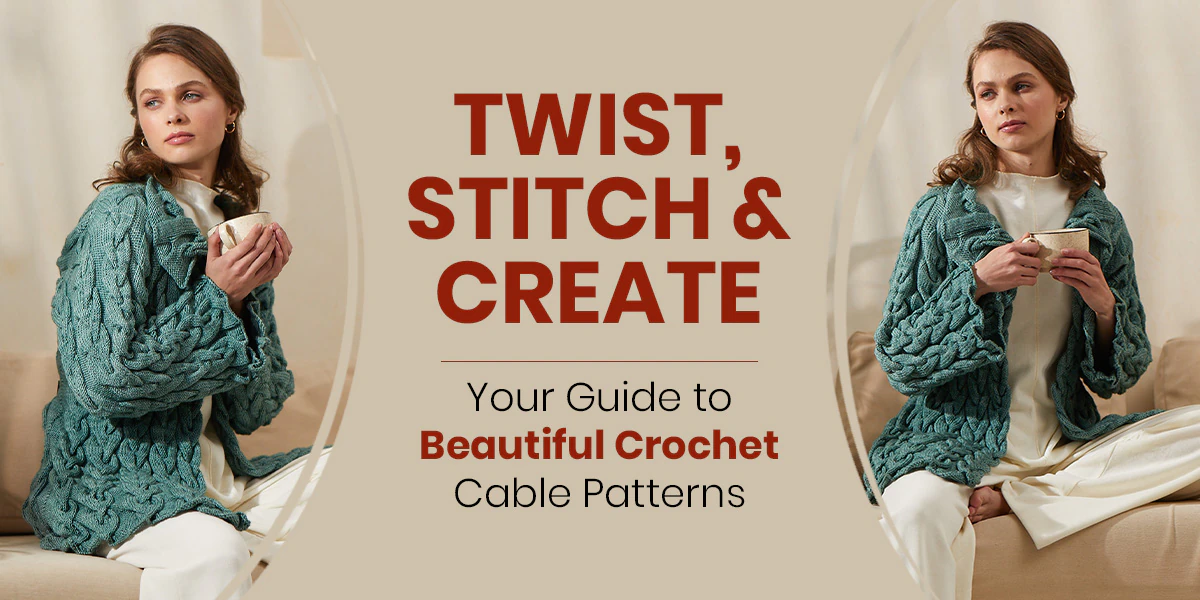
Crochet cables bring beautiful texture, depth, and dimension to handmade projects. From cozy scarves and winter hats to cushion covers and blankets, cabled crochet stitches create raised, interwoven patterns that resemble traditional knitted cables. If you love textured yarn projects and want to expand your crochet skills, learning how to crochet cables is a wonderful place to start.
Although crochet cables may look complicated, they are created using combinations of stitches, particularly front post and back post stitches, worked in specific sequences. With the right instructions, suitable yarn, and comfortable crochet hooks, beginners can learn the basics and gradually explore intricate cable designs.
In this guide, we'll cover crochet cable techniques, beginner-friendly patterns, and how to choose the best crochet hooks for your next project.
What Are Crochet Cables?
Crochet cables are textured stitch patterns created by working stitches around the posts of other stitches or crossing stitches over one another. This technique produces raised lines, twists, braids, and diamond-like designs across the fabric.
Unlike basic crochet stitches worked into the top loops, cable stitches often involve inserting the hook around the vertical post of a stitch. By changing the order in which stitches are worked, crocheters create distinctive overlapping effects.
Crochet cables are ideal for scarves, cowls, textured sweaters, cushion covers, blankets, beanies, and handmade gifts. For anyone exploring crochet for beginners, starting with a simple two-strand cable makes it easier to understand stitch placement before progressing to complex designs.
Essential Crochet Cable Techniques to Learn
1. Front Post Double Crochet (FPDC)
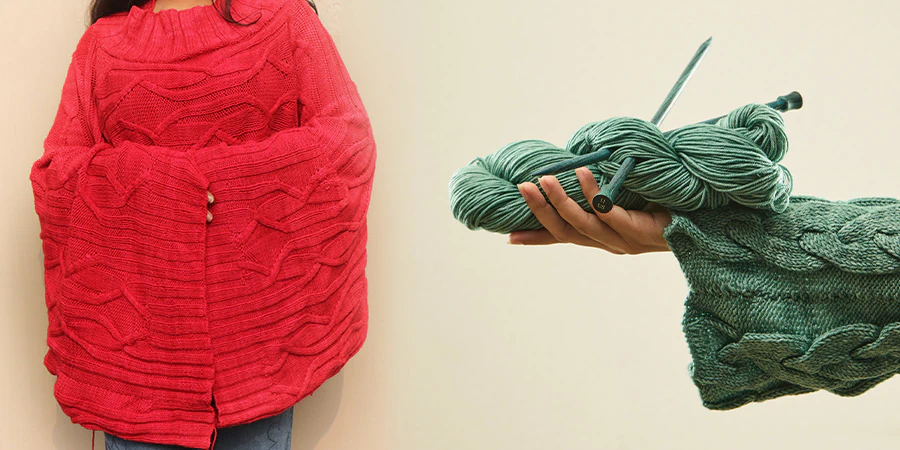
Front post double crochet is one of the most important stitches for crochet cables. Instead of inserting the hook into the top loops, insert it from the front of the fabric, around the post of the designated stitch, and back to the front.
This creates a raised stitch that stands out from the surrounding fabric. FPDC is commonly used to form the prominent strands of a cable.
2. Back Post Double Crochet (BPDC)
Back post double crochet works similarly, but the hook passes around the stitch post from the back of the fabric. This creates a recessed texture that contrasts with raised stitches.
Combining FPDC and BPDC helps define cable patterns and adds depth to crochet fabric. A comfortable hook can make these repeated movements easier to manage. For example, crocheters who prefer colourful tools can explore the KnitPro Waves 2 range when selecting a suitable hook size for their yarn.
Also Read: Ultimate Guide to Crochet Post Stitches
3. Crossing Stitches to Create Cable Effects
Crossed stitches give crochet cables their signature twisted appearance. You may work stitches out of sequence, leaving spaces between them before returning to complete the cable.
For example, a simple cable can be created by working front post stitches around selected stitches in a different order. More elaborate patterns combine multiple crossed stitches to form braids, ropes, and diamond motifs.
Beginner Tip: Practise on a small swatch before starting a complete project. Use stitch markers to identify cable sections and follow the pattern carefully to maintain consistent crossings.
How to Choose the Best Crochet Hooks for Cable Patterns
The right crochet hook can make a noticeable difference when working with textured stitches. Crochet cables often require inserting the hook around stitch posts, pulling yarn through multiple loops, and maintaining consistent tension.
When choosing crochet hooks for cable patterns, consider these factors:
- Crochet Hook Size: Follow the yarn label and pattern recommendations, then make a gauge swatch to check stitch dimensions.
- Hook Head Design: A smooth head and well-finished throat can help the hook move through loops comfortably. There are both options of inline and tapered crochet hooks to choose from.
Also Read: Inline vs Tapered Crochet Hooks: Which Grip Style Is Right for You?
- Handle Comfort: An ergonomic handle may help reduce hand fatigue during longer crochet sessions.
- Yarn Compatibility: Smooth, medium-weight yarn makes cable stitches easier to identify, particularly for beginners.
- Personal Preference: Choose a hook that feels comfortable and works well with your technique.
KnitPro offers different crochet hook designs to suit varied crafting preferences. The colourful Vybe range is one option to explore when comparing hook styles, while Waves 2 offers another choice for crocheters who appreciate colourful tools. Symfonie 2 is worth considering if you prefer wooden crochet tools, and Oasis provides another range to investigate when comparing available designs.
Rather than choosing a hook based on appearance alone, check its available sizes, material, handle design, and compatibility with your chosen yarn and pattern.
Create Beautiful Crochet Cables with KnitPro
Crochet cables offer endless possibilities for creating textured, distinctive handmade projects, from beginner swatches to beautiful scarves, hats, sweaters, and home décor.
Explore KnitPro crochet hook ranges such as Symfonie 2, Vybe, Oasis, and Waves 2.0 to find tools that suit your preferred style and technique. With practice, patience, and the right materials, crochet cables can become an enjoyable addition to your creative repertoire.


