

October is here, which means it’s officially time to celebrate one of the most satisfying projects in the knitting world: socks! Socktober 2026 is the perfect excuse to cast on a new pair, experiment with colour and texture, and discover just how enjoyable knitting socks can be.
At KnitPro, a leading manufacturer of high-quality Knitting Needles, Crochet Hooks and Accessories, we believe the right tools can make every stitch more enjoyable. Whether you’re a first-time sock knitter or someone with a dedicated sock drawer, this is your season to cast on. From sharing some homemade love with people in need or getting started on holiday gift-making, this is the time to begin.
To help you get started, we’ve gathered free sock knitting patterns and some of our favourite needle options for creating everything from colourful everyday socks to textured designs.
Why Knit Socks During Socktober?
Sock knitting is a brilliant way to practise essential techniques while creating something genuinely useful. You can explore knitting in the round, heel construction, shaping, colour changes and different stitch patterns, all within a relatively small project.
Socks are also wonderfully portable. A pair can travel with you on a train, accompany your favourite cup of tea, or keep your hands busy while you're waiting.
Also Read: Socktober: Celebrate the Joy of Knitting Socks
Which Knitting Needles Are Best for Sock Knitting?
When choosing the best knitting needles for socks, you have several options. Your preferred technique, knitting style and project construction will all play a role.
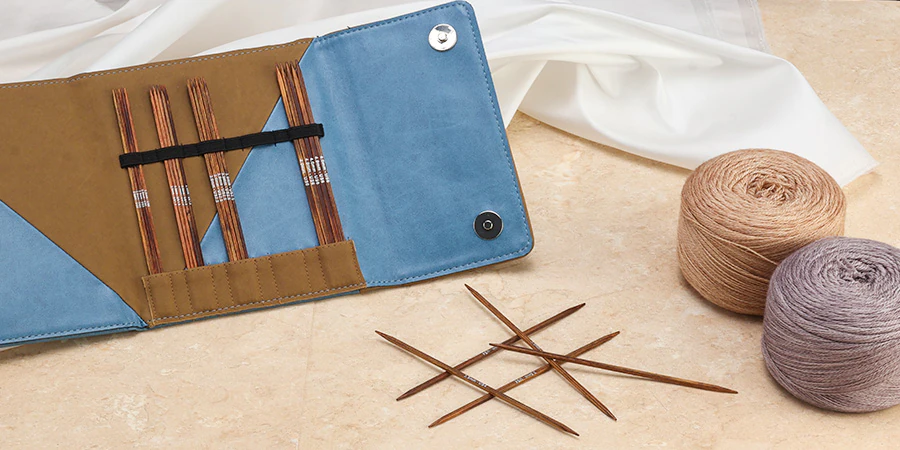
- Double pointed needles (DPNs) are a traditional choice for knitting socks in the round. They allow you to distribute stitches across multiple needles and work comfortably around a small circumference. KnitPro Zing, Karbonz, Ginger Cubics and Symfonie 2 offer different material and design options for sock knitters. Here’s our guide on how to knit in the round with double-pointed needles.
- Prefer fewer needles flying around your project? Try the magic loop technique using a circular knitting needle with a sufficiently flexible cable. Magic loop is particularly useful for knitters who prefer working with one circular needle rather than several DPNs. It can also be a versatile technique for knitting socks and other small-circumference projects.
- Mini knitting needles, interchangeable needle tips in 2” (5cm) are preferred for their ease of handling, especially for small circumferences such as socks.
- For small projects, petite knitting needles can be especially convenient. The KnitPro Mindful Collection has, for the first time, introduced interchangeable knitting needles in petite sizes: 2.00 mm (US 0), 2.25 mm (US 1), 2.50 mm (US 1.5), and 2.75 mm (US 2) in our versatile lengths of 5 cm (2"), 7.5 cm (3"), 10 cm (4"), and 13 cm (5"). The petite needle tips pair perfectly with petite cables.
The important thing isn't choosing the "one true sock-knitting method." There isn't one. Your perfect technique is whichever one doesn't make you want to dramatically throw your project into the nearest yarn basket.
Also Read: DPNs vs Magic Loop vs Mini Needles: The Ultimate Small Circular Knitting Guide
7 Free Sock Knitting Patterns for Socktober 2026
1. Pixie Pink
Bring a little colour to your Socktober knitting with Pixie Pink. This cheerful sock project is ideal for knitters who enjoy bright, playful designs and want a project that adds personality to their handmade wardrobe.
Pair It With: KnitPro Zing Double Pointed Needles for comfortable knitting in the round and easy size identification.
2. Symfonie Desert Bloom
Inspired by the beauty and colours of the desert, Desert Bloom brings visual interest to a classic sock project. It’s a lovely choice for knitters who enjoy colour and want their socks to make a statement.
Pair It With: KnitPro Symfonie 2 Double Pointed Needles for a smooth, warm-feeling knitting experience.
3. Beach Day Blue Socks
Dreaming of sunny skies and seaside walks? Beach Day Blue Socks bring that relaxed feeling into your knitting basket. The project is a fun choice for creating a wearable pair with a fresh, summery character.
Pair It With: KnitPro Karbonz Double Pointed Needles when you want lightweight needles with a firm, precise feel.
4. Twilight Toes
Twilight Toes is a beautiful option for knitters who love the moodier side of colour. Think evening skies, cosy knitting sessions and the satisfying moment when the toe finally comes together.
Pair It With: KnitPro Ginger Cubics Double Pointed Needles for knitters who appreciate a distinctive needle shape and comfortable grip.
5. Ribbed Wonders
Ribbing is a sock-knitting classic for good reason. Ribbed Wonders Socks make texture the star of the show, creating a design that's both practical and visually interesting.
Pair It With: KnitPro Zing Double Pointed Needles for precise stitch work and easy needle-size recognition.
6. Nordic Nights
Cosy, atmospheric, and perfect for colder days, Nordic Nights is a great project for knitters who love a traditional-inspired aesthetic. It’s an excellent addition to your list of free sock knitting patterns for winter.
Pair It With: KnitPro Karbonz Double Pointed Needles for a lightweight option when working detailed sock patterns.
7. Pebble Path Socks
Pebble Path Socks offer another opportunity to explore texture while keeping your knitting interesting from cuff to toe. The pattern is a lovely choice for a relaxing weekend project or your next portable knit.
Pair It With: KnitPro Dreamz Double Pointed Needles for smooth, controlled knitting.
Make Socktober 2026 Your Most Creative Yet
Socktober is about more than knitting another pair of socks. It's an opportunity to explore new techniques, experiment with colour, challenge yourself with texture and, most of Socktober 2026 is officially underway and your next favourite pair of socks is only a few stitches away.


