

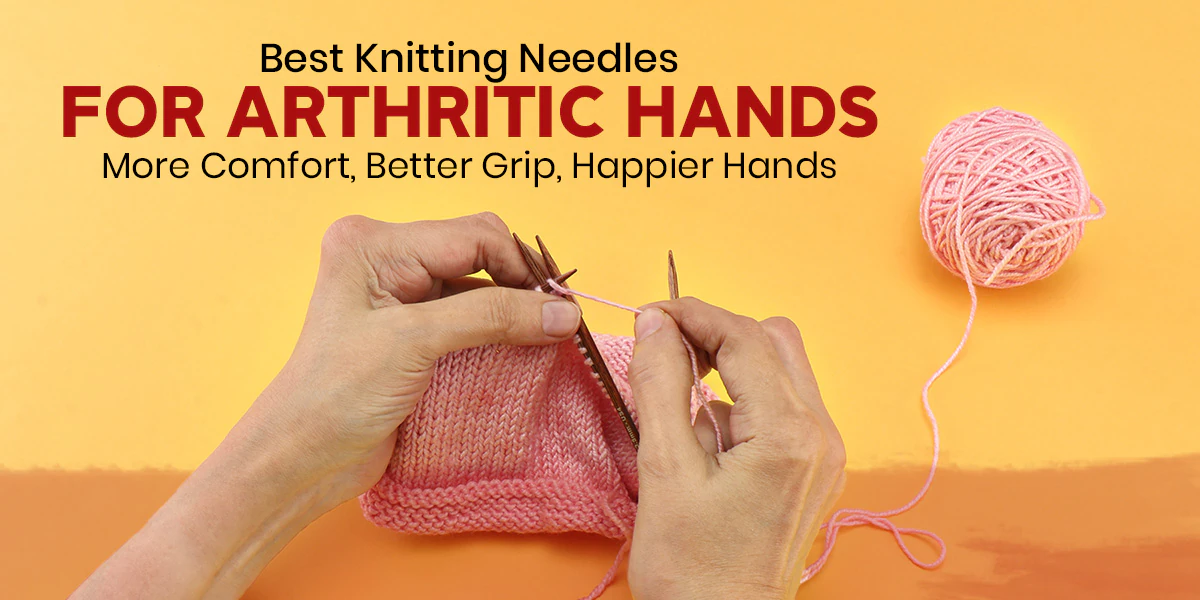
Knitting should be relaxing, creative, and enjoyable, but for knitters with arthritis, stiff fingers, reduced grip strength, or hand fatigue, it is often not. Choosing the right tools can make a meaningful difference to the knitting experience. So, what are the best knitting needles for arthritic hands? Cubics, cuboid, and square-shaped knitting needles have made it to the top of the list.
Sometimes traditional round knitting needles make a favourite hobby uncomfortable. For many knitters, KnitPro Cubics are worth considering. Their distinctive square or cuboid profile provides a different grip from conventional round needles, giving the fingers flatter surfaces to hold. This ergonomic design makes the tools easier to control and may help reduce the effort required to maintain a grip during knitting.
Arthritis UK, is the United Kingdom's largest charity supporting people with arthritis, says, “Knitting can actually be an excellent method for maintaining movement and strength and increasing personal satisfaction and mental well-being through participation in a meaningful activity. However, if crafting causes pain or you have significant deformities in your hands it is important to pay attention to your tools and techniques.
Also Read: Crafting with Arthritis: Best Knitting Needles and Crochet Hooks plus Pain-Free Tips
Why Are Cubic Knitting Needles Good for Arthritic Hands?
The main difference between Cubics and conventional needles is their shape. Traditional round knitting needles have a round cross-section, while cubic knitting needles have a square or cuboid profile. The flatter sides can provide a more secure grip without requiring the fingers to wrap completely around a narrow, rounded surface.
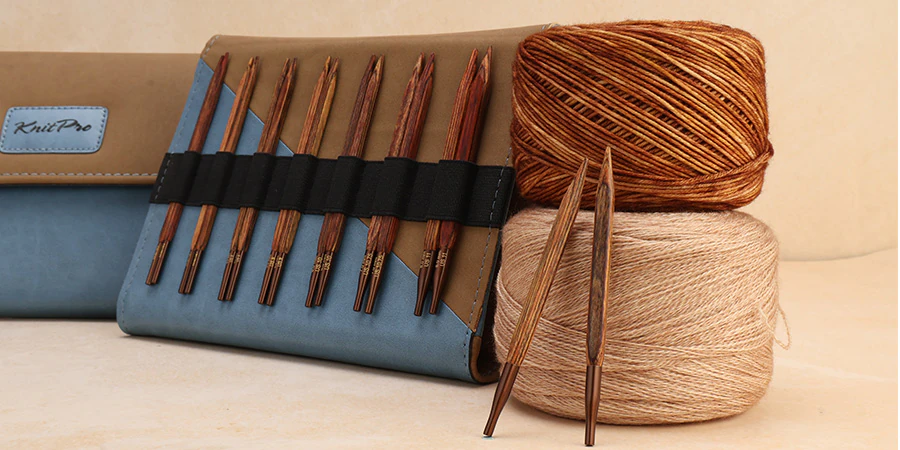
This can be particularly useful for people looking for knitting needles for joint pain, weak grip, stiff fingers, or hand fatigue.
How to Choose the Best Knitting Needles for Arthritic Hands?
The best knitting needles for knitters with arthritis are generally those that feel comfortable to hold, provide adequate control, and do not require excessive pressure from the fingers.
Also Read: The Ultimate Guide to Knitting Needles: What to Use and When
Because comfort is highly individual, there is no single knitting needle that is perfect for everyone. However, arthritis-friendly knitting needles with an ergonomic shape can be a useful alternative when conventional round needles feel difficult to grip. Square knitting needles provide more defined contact points for the fingers than a completely round shaft. KnitPro Cubic knitting needles are designed around this principle, combining a square profile with tapered tips for controlled, comfortable knitting.
1. A More Comfortable Grip
The flat sides of cubics sit naturally against the fingers, creating a defined gripping surface. This can be helpful for knitters who find slender, round needles difficult to hold securely.
2. Less Grip Effort
One of the key benefits of ergonomic knitting needles is the potential to maintain control without gripping the tool excessively. For people searching for knitting needles for hand pain, a comfortable grip can make longer knitting sessions feel less tiring.
A secure needle does not necessarily mean a tighter grip. The objective is to find a shape that feels stable in the hand while allowing natural movement.
3. Better Control and Consistent Tension
Grip can also influence knitting control and yarn tension. When a needle is easier to hold, knitters may spend less time repeatedly repositioning their fingers.
Shape is important, but it is not the only consideration when choosing knitting tools for people with limited mobility or reduced grip strength. Ergonomic knitting needles assist with better control and tension in every stitch.
Consider:
- Grip: Choose needles that feel secure without requiring excessive pressure.
- Weight: Lightweight needles may be more comfortable for extended sessions.
- Material: Some knitters prefer the warmth and grip of wood, while others prefer smooth metal.
- Size: Choose a needle size appropriate for the yarn and pattern while considering what feels comfortable in your hand.
- Knitting Needle Type: Circular needles can help distribute the weight of larger projects through the cable rather than placing all the weight in the hands.
These factors can also help when selecting ergonomic knitting tools and accessories for hand pain or looking for the best crafting tools for arthritis.
Also Read: The Best Ergonomic Knitting Needles - Why They Can Save Your Knitting
Cubics vs. Round Knitting Needles: Which Is More Comfortable?
When comparing cubics vs. round knitting needles, the most noticeable difference is how each shape feels in the hand.
|
Feature |
Traditional Round Needles |
KnitPro Cubics |
|
Shape |
Round |
Square/cuboid |
|
Grip |
Rounded gripping surface |
Defined flat surfaces |
|
Comfort |
Depends on individual preference |
Designed for comfortable handling |
|
Hand fatigue |
Varies by knitter |
Designed to help reduce fatigue |
|
Tip |
Depends on range |
Smooth, tapered tips |
There is no universal answer to the question of whether square knitting needles are better than round needles. However, if conventional needles feel difficult to hold, square knitting needles for arthritis are worth trying.
Which KnitPro Cubics Needles Should You Try?
- Ginger Cubics combine FSC-certified laminated birch wood with the Cubics square profile. Their smooth surface, tapered tips, and ergonomic shape make them an option for knitters looking for wooden knitting needles for arthritis. The range includes fixed and interchangeable circular needles in different lengths and sizes, double pointed needles.
- J'adore Cubics combine the Cubics square shape with a distinctive finish and smooth gold connectors on the interchangeable circular range.
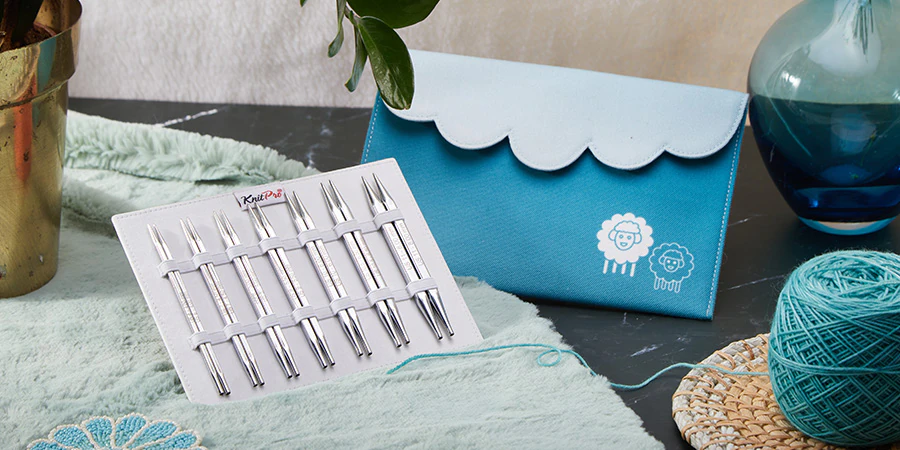
- For knitters who prefer metal, Nova Cubics features lightweight metal construction with a chrome-plated finish. Their square profile provides a defined grip, while tapered tips support smooth and precise knitting. They are available in several formats, including single-pointed, double-pointed, fixed circular, and interchangeable circular needles.
Also read: Why use Square Knitting Needles? - Everything you need to know
Tips for Knitting with Joint Pain
Even ergonomic needles cannot replace comfortable knitting habits. If you experience discomfort while knitting:
- Take regular breaks during longer sessions.
- Avoid gripping your needles more tightly than necessary.
- Keep your wrists and shoulders relaxed.
- Experiment with different knitting styles.
- Try different needle shapes, materials, and sizes.
- Consider circular needles for larger projects.
- Stop knitting if you experience significant or worsening pain.
These simple adjustments can help you reduce hand strain while knitting and make your crafting routine more comfortable.
Make Every Stitch More Comfortable with KnitPro Cubics
Arthritis or reduced grip strength does not necessarily mean giving up the pleasure of knitting. Choosing tools that feel comfortable in your hands can make the experience more enjoyable.
With their distinctive square profile, ergonomic grip, tapered tips, and choice of materials and formats, KnitPro Cubic knitting needles offer an alternative to conventional round needles. Whether you prefer warm Ginger Cubics, lightweight Nova Cubics, or the J’adore Cubics option, the right needle is ultimately the one that feels natural and comfortable in your hands.
Explore KnitPro knitting needles and discover a more comfortable way to knit.


