

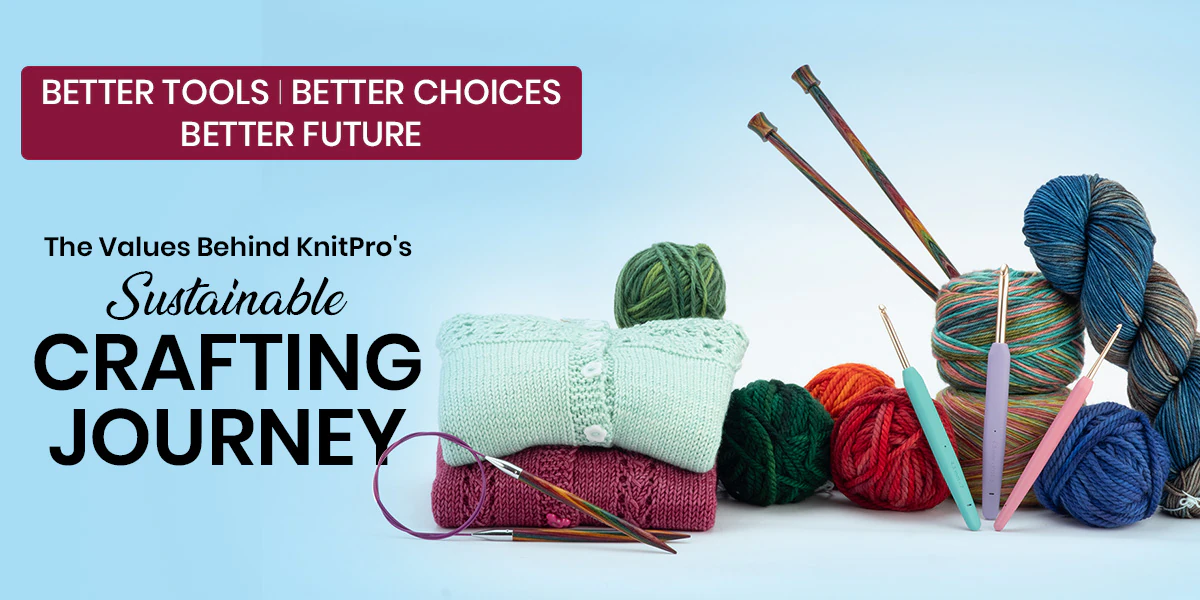
KnitPro’s approach to sustainability goes beyond the materials used in its knitting needles and crochet hooks. They cover environmental management, resource conservation, workplace safety and social responsibility. The company is a family-owned enterprise with manufacturing facilities in India, where it produces many of its needlecraft tools and accessories.
Where Are KnitPro Products Made?
KnitPro is a family-owned manufacturer based in India, with its manufacturing operations in Jaipur. Its factory occupies approximately 6 acres within a 3,000-acre campus described by the company as eco-compliant and recognized for its sustainable profile and climate-related initiatives.
Manufacturing products within its own facilities also gives KnitPro greater oversight of production, quality and workplace practices. The company says its operations support more than 1,700 workers, while its manufacturing processes use precision-driven technologies alongside ongoing research and development.
Also Read: Behind the Scenes: How Are Our Knitting Needles and Crochet Hooks Made
How Does KnitPro Reduce Its Environmental Impact?
For a brand producing knitting needles, crochet hooks and other craft tools, sustainability involves more than choosing a particular material. Energy consumption, water management, manufacturing conditions and resource efficiency all contribute to the environmental impact of production.
1. Renewable Energy
KnitPro manufacturing facilities use strategically positioned solar panels to harness renewable energy. This helps reduce reliance on conventional fossil-fuel-based and electrical energy sources.
For environmentally conscious crafters, renewable energy use is an important part of evaluating whether a craft-tool manufacturer is taking meaningful steps toward lower-impact production.
2. Water Reuse and Rainwater Harvesting
Water conservation is another significant part of KnitPro’s environmental practices. According to the company, 100% of factory water is cleaned daily in an in-house facility. The purified water is then reused or used to maintain the surrounding grounds rather than being wasted.
The campus also collects rainwater for factory-related needs and grounds maintenance, adding another layer to its water-management approach.
3. Eco-Compliant Manufacturing Environment
KnitPro states that its manufacturing facilities operate within an eco-compliant campus. The company also maintains a dust-free production environment and provides workers with appropriate facial and hand protection in accordance with health and safety guidelines.
These measures demonstrate why sustainability should be viewed as both an environmental and human consideration in craft manufacturing.
Are KnitPro Wooden Knitting Needles Sustainable?
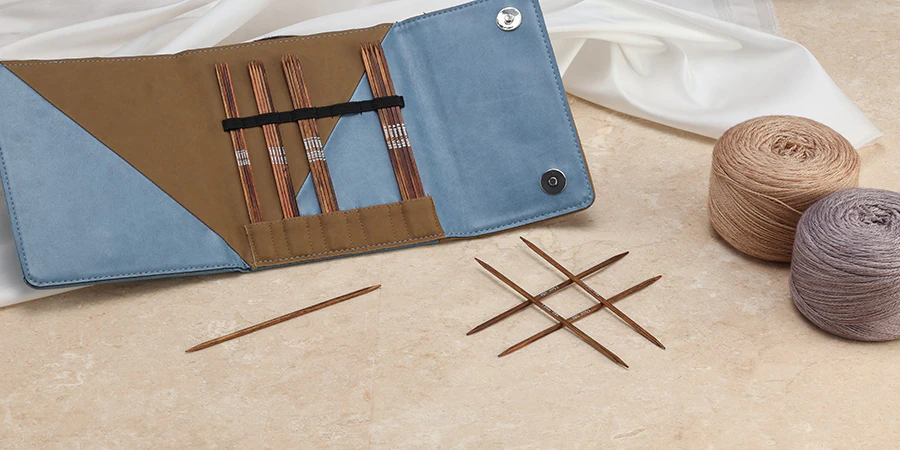
One of the most frequently asked questions is whether KnitPro wooden knitting needles are eco-friendly. According to KnitPro, its wooden needles are FSC™ certified, meaning the wood is sourced from certified responsible forestry sources.
FSC certification is particularly relevant for crafters looking for renewable-material knitting tools because it provides a recognized framework for responsible forest management.
KnitPro uses wood alongside other materials, including stainless steel, across its product ranges. The right material depends on the needle or hook design, intended use and crafter preference.
Sustainable Knitting Tools: Wood vs. Metal
Does choosing wooden knitting needles automatically make them more sustainable than metal needles? Not necessarily.
Sustainability depends on several factors, including responsible sourcing, manufacturing processes, durability, product lifespan and end-of-life considerations.
Wooden KnitPro needles benefit from FSC certification, while some KnitPro stainless-steel collections emphasize durability and recyclability. For example, the company describes its Mindful Collection as using stainless steel and ecological packaging, including recycled-paper boxes for its needles.
For conscious consumers, a better question than simply “wood vs. metal knitting needles sustainability” is: Which tool is responsibly manufactured, durable enough for long-term use and appropriate for my needs?
KnitPro’s Social and Ethical Values
Environmental sustainability is only one part of responsible manufacturing. A genuinely responsible craft brand must also consider the people behind its products.
KnitPro states that employee welfare is a major priority. Its sustainability information highlights safe working conditions, protective equipment and a dust-free production environment for its workforce.
Social initiatives involve women’s empowerment, equal wages and education. We employ women from communities and villages, who are the first to leave their homes to join the workforce. Educational initiatives that have supported children from nearby villages.
Its credentials also include SA8000, a social accountability standard, as well as ISO 45001 for occupational health and safety and ISO 14001 for environmental management.
These certifications provide additional context for evaluating KnitPro’s ethical and environmental practices beyond marketing claims.
Why Sustainable Craft Tools Matter
Knitting needles and crochet hooks are tools designed to be used repeatedly. A durable needle or hook can become part of a crafter’s toolkit for years, making product longevity an important part of sustainable consumption.
Choosing tools made with responsibly sourced materials, manufactured in facilities with resource-management practices and produced under documented workplace standards can help conscious crafters make more informed purchasing decisions.
Sustainable crafting is not about finding a completely impact-free product. Instead, it is about considering materials, manufacturing, durability, resource use and social responsibility together.
Crafting With a More Conscious Choice
For knitters and crocheters, sustainability can start with a simple question: How were my tools made?
KnitPro’s approach combines FSC-certified wooden products, renewable energy, water reuse, rainwater harvesting, eco-conscious manufacturing practices and documented social and workplace commitments.
The result is an approach to craft-tool manufacturing that recognizes sustainability as more than an environmental issue. It encompasses the materials used, the resources consumed, the people who make the products and the longevity of the tools themselves.
For a craft centered on patience, creativity and making things to last, that is a meaningful place to start.
Frequently Asked Questions About KnitPro Sustainability
Q1. Is KnitPro an Ethical Brand?
A. KnitPro follows environmental and social practices and holds certifications including SA8000, ISO 14001, and ISO 45001. Its stated commitments include employee welfare, workplace safety, environmental management, and social initiatives.
Q2. Are KnitPro Knitting Needles Eco-Friendly?
A. Some KnitPro products incorporate environmentally conscious materials and manufacturing practices. Its wooden needles are FSC™ certified, while its facilities use renewable energy and water-reuse systems.
Q3. What Makes Knitting Needles Sustainable?
A. Responsible material sourcing, durable construction, efficient manufacturing, renewable energy, water conservation, responsible packaging, and long product life can all contribute to more sustainable knitting tools.
Q4. How Are KnitPro Knitting Needles Made?
A. KnitPro manufactures many of its knitting needles and crochet tools at its own facilities in India. Its production combines precision manufacturing technologies with material-specific processes, quality control, and sustainability measures.
Q5. Are Wooden Knitting Needles More Sustainable Than Metal?
A. Not automatically. Wooden needles made from responsibly certified wood have a renewable-material advantage, while durable stainless-steel tools can offer long service life and recyclability. The sustainability of a tool depends on its complete lifecycle rather than the material alone.
Q6. What Are Good Sustainable Gift Ideas for Knitters?
A. Long-lasting knitting needles, interchangeable needle sets, crochet hooks, and thoughtfully packaged craft-tool sets can make practical gifts for knitters and crocheters. Choosing products made with responsibly sourced materials and durable construction can further support conscious crafting.


