

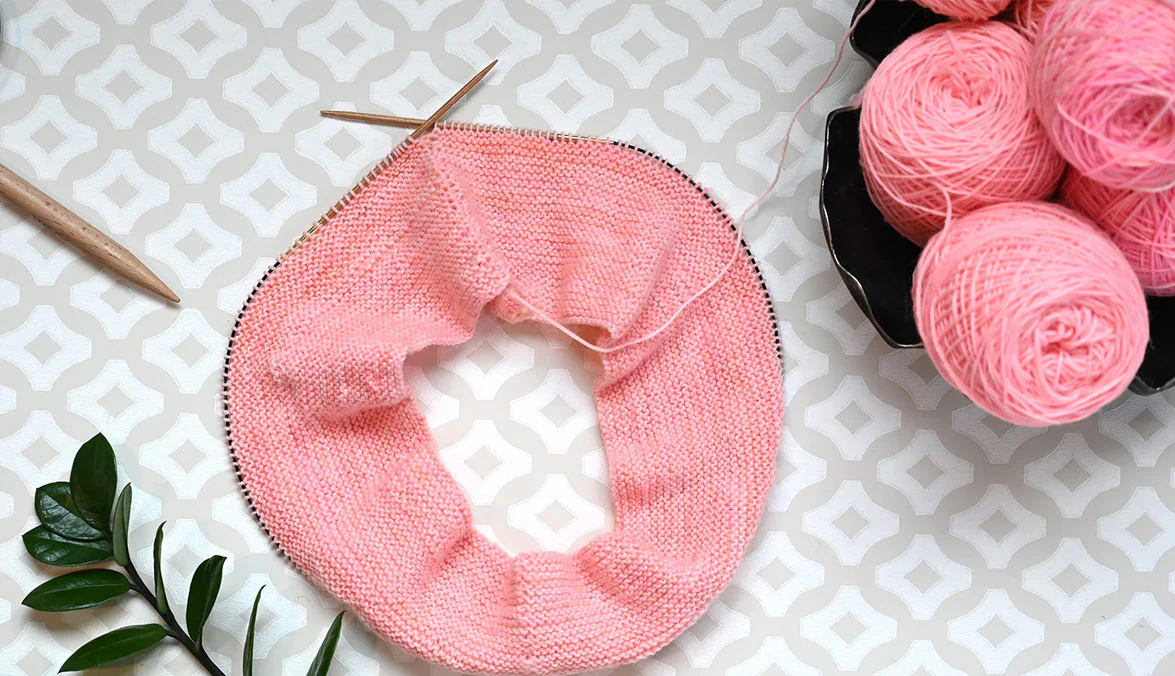
Knitting should be about enjoying every stitch, not wrestling with a stubborn cable! If you've ever struggled with a stiff circular knitting needle cable, yarn, or a project (stitch pattern) that refuses to move smoothly around your knitting needles, a simple swap of a cable can make a big difference. This is where KnitPro Advanced Ultra Flex cables make a statement.
Designed to complement interchangeable knitting needles, the advanced flexible cables help create a smoother, more comfortable knitting experience across different projects. Whether you're working on cosy socks, seamless sweaters, or large blankets, knitting cable flexibility can make your crafting sessions more enjoyable.
In this guide, let’s explore more about Ultra Flex cables and how to use them in your knitting projects.
What Are KnitPro Ultra Flex Cables?
KnitPro Ultra Flex cables are compatible with interchangeable knitting needle tips, letting knitters create configurations for different projects. Their flexible construction helps the cable move more naturally as stitches travel along the needles, whether you use them for back-and-forth flat knitting or go seamless knitting in the round for projects or the magic loop technique.
With the right cable, knitters can switch between project sizes and configurations without purchasing an entirely new set of circular needles each time. This versatility makes interchangeable knitting needle cables a valuable part of a well-equipped knitting toolkit.
Want to see the difference for yourself? This short KnitPro Ultra Flex cable video shows how a flexible cable handles while you knit.
Why Does Knitting Cable Flexibility Matter?
A cable might seem like a small detail, but it can influence how comfortably your project moves while you knit.
Flexible knitting cables can help reduce resistance when turning your work, repositioning stitches, or adjusting your needle tips. A cable that bends readily can also make it easier to manage circular projects without repeatedly fighting against unwanted twists.
Here are three important benefits of good knitting cable flexibility:
- Smoother Stitch Movement: Stitches can travel along the cable more easily when the connection is smooth and the cable is suitable for the yarn and project.
- Better Project Handling: A flexible cable can make it easier to hold and reposition your knitting, especially when working with larger pieces.
- Greater Knitting Comfort: Less time spent untangling or repositioning a stubborn cable means more time enjoying your favourite craft.
Of course, flexibility isn't the only factor to consider. Cable length, connection security, needle compatibility, and the number of stitches on your needles all influence the overall experience.
How to Choose Knitting Cable Length
Choosing the correct cable length is essential when selecting the best cables for interchangeable knitting needles. Too short, and your stitches may feel crowded. Too long, and you might struggle to work comfortably in the round.
Start by knitting a gauge swatch to calculate stitches and the required cable length.
Also Read: Tips to Choose the Right Circular Knitting Needle Length for Your Project
How Flexible Cables Improve Knitting Comfort
Comfort matters, particularly when you're spending hours on a detailed pattern. A cable that moves naturally with your hands can make repetitive knitting movements feel less cumbersome.
Flexible cables can help your project rest more comfortably in your lap, make it easier to reposition stitches, and reduce the effort involved in managing a large piece of fabric. They are especially useful when your knitting involves frequent turns or changes in direction.
However, remember that cable flexibility alone cannot prevent hand fatigue. Needle weight, tip length, yarn choice, knitting technique, and posture also influence comfort. Taking regular breaks and keeping your shoulders and wrists relaxed can help make longer knitting sessions more enjoyable.
How to Choose the Right KnitPro Ultra Flex Cable
Before purchasing a cable, consider these practical points:
- Check Compatibility: Make sure the cable matches your interchangeable needle tips and connector system.
- Measure Your Project: Consider the finished circumference or width and the assembled circular needle length you need.
- Consider Your Technique: Magic loop, knitting in the round, and flat knitting may require different cable configurations.
- Think About Yarn and Stitch Count: Bulky yarn and large stitch counts may need more room than fine yarn and smaller projects.
- Choose for Comfort: Consider how easily the cable moves and whether the overall setup feels comfortable in your hands.
The best cables for interchangeable knitting needles are those that suit your project, work securely with your needle tips, and support your preferred knitting style.
Choosing the Right Cable for Your Knitting Project
Flexible cables may be a small component of your knitting toolkit, but they can make a noticeable difference to project handling and comfort. From sweater bodies and shawls to socks and blankets, the right cable length and compatible interchangeable needle system can help you work more smoothly.
With KnitPro Ultra Flex cables, knitters can explore versatile needle configurations while focusing on what matters most: creating beautiful handmade pieces, one stitch at a time.


